

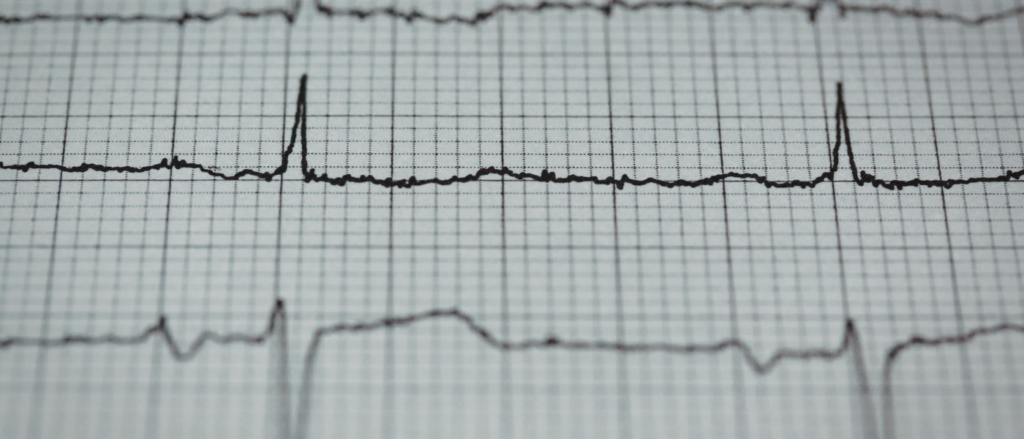
If you’ve ever heard an AED say “Shock advised” or “No shock advised,” you know how intense that moment can feel. People often assume a defibrillator “always shocks,” or that “no shock” means something went wrong. In reality, the AED is doing exactly what it was designed to do: analyze the heart rhythm and guide the safest, most effective next step.
Understanding shockable rhythms isn’t about turning workplace responders into clinicians. It’s about building confidence in the AED’s prompts and keeping your team in action mode—CPR, minimal pauses, and following the device—until EMS takes over.
In simple terms, shockable rhythms are the rhythms an AED can treat with defibrillation during cardiac arrest. For public-access AEDs, that comes down to two specific rhythm patterns recognized in resuscitation algorithms: ventricular fibrillation (VF) and pulseless ventricular tachycardia (pulseless VT).
The Quick Answer: The Two Shockable Rhythms
Most AED confusion disappears once you know this: AEDs don’t shock “cardiac arrest.” They shock specific rhythms that respond to defibrillation. That’s why the device takes time to analyze and why it may say “No shock advised” even when the person is unresponsive.
Ventricular Fibrillation (VF / V-Fib)
Ventricular fibrillation is chaotic electrical activity in the ventricles. Instead of contracting and pumping blood, the heart’s electrical system becomes disorganized and the ventricles effectively “quiver,” producing no meaningful circulation.
VF is shockable because a defibrillation shock can interrupt the chaos and give the heart a chance to re-establish an organized rhythm—especially when paired with high-quality CPR and minimal pauses.
Pulseless Ventricular Tachycardia (Pulseless VT / V-Tach)
Ventricular tachycardia is a very fast rhythm originating in the ventricles. Some VT can occur with a pulse, but in cardiac arrest we’re focused on pulseless VT, where the rhythm is too fast and ineffective to produce circulation.
Pulseless VT is shockable for the same reason as VF: defibrillation can stop the unstable rhythm and allow the heart to reset toward something that pumps blood again, with CPR supporting oxygen delivery during the attempt.
What The AED Is Doing During “Analysis”
When you attach pads and the AED says it is analyzing, it’s reading the electrical activity through the pads. That analysis is how the AED decides whether defibrillation is appropriate. It’s also why AEDs are considered safe for public responders: they are designed to advise a shock only when a shockable rhythm is detected.
Just as important, the AED needs a clean moment to analyze. If there is motion or interference, it can affect the reading and trigger prompts like “Stop motion” or “Check pads.” In real workplaces, those prompts are common and correctable.
Why You Might Get A “No Shock Advised” Prompt Even In Cardiac Arrest
A “No shock advised” prompt usually means the AED detected a non-shockable rhythm (like asystole or PEA), or that the rhythm is more organized than VF/pulseless VT at that moment. It can also happen when motion, pad contact issues, or movement during analysis prevents a clean reading.
The key point is what your team does next. “No shock advised” is not a dead end. It’s the AED guiding you to the next best intervention—usually immediate CPR with minimal interruption.
The Safety Rule That Keeps Analysis Accurate
When the AED says it is analyzing (or preparing to deliver a shock), no one should be touching the person. This isn’t only about safety—it also reduces interference so the AED can read the rhythm correctly.
Non-Shockable Rhythms: Why An AED Won’t Shock Them
Resuscitation algorithms divide cardiac arrest rhythms into two groups: shockable (VF/pulseless VT) and non-shockable (asystole and PEA). The major difference is whether defibrillation is part of the treatment pathway.
This is where many people misinterpret the AED. A shock is not a universal fix. It’s a rhythm-specific intervention.
Asystole (Flatline)
Asystole is the absence of detectable electrical activity. There is nothing “chaotic” to reset—there is no rhythm for the AED to interrupt and restart with a shock.
That’s why AEDs do not advise shock for asystole. The response emphasis stays on CPR and rapid EMS care while the AED continues to monitor and re-analyze as prompted.
Pulseless Electrical Activity (PEA)
PEA can be confusing because electrical activity may be present, but there is no effective pumping and no pulse. In other words, the “wiring” may show activity while the heart’s mechanical function is not producing circulation.
PEA is not shockable, so the AED will not advise a shock. The correct path is CPR, rapid EMS response, and addressing underlying causes—something that happens at the advanced care level, not something a bystander fixes with a shock.
“Shockable” Doesn’t Mean “You Decide”
A common mistake in online explanations is suggesting responders should decide whether the rhythm is shockable, or spend time trying to “confirm” the right action. In workplace and public-access response, the safest standard is simpler:
If the person is unresponsive and not breathing normally, start CPR, apply the AED, and follow the prompts.
The AED is there to remove guesswork. It determines whether defibrillation is appropriate based on rhythm analysis. That’s exactly how modern cardiac arrest pathways are built.
If you’re a trained responder and your training includes quick pulse checks, follow your training—but avoid long delays. The biggest preventable error in public response is losing time.
What You’ll Hear From The AED
AED prompts vary by model, but they typically follow a predictable pattern: attach pads, analyze rhythm, then direct you toward shock or CPR. When people understand what the prompts mean, hesitation drops and action improves.
If The AED Says “Shock Advised”
“Shock advised” means the AED detected a rhythm consistent with VF or pulseless VT. It will instruct you to clear the person so no one is touching them, then deliver the shock (either automatically or by prompting you to press a shock button, depending on the model).
The most important part happens immediately after: resume CPR right away when the AED tells you to. Shock is not the end of the response—it’s one step in a CPR-centered cycle while the AED continues to re-analyze.
If The AED Says “No Shock Advised”
“No shock advised” means the AED did not detect a shockable rhythm at that time. That can be asystole, PEA, a more organized rhythm, or a rhythm that changed after CPR. It can also reflect interference that the AED is trying to resolve.
Your response stays straightforward: resume CPR immediately, keep pads on, and let the AED re-analyze when it prompts you. The AED may advise a shock later if the rhythm changes.
The Real-World Situations That Cause Hesitation
In workplaces, responders are often not medical professionals. They’re colleagues trying to do the right thing while adrenaline is high. These are the moments when clarity matters most.
“They’re Gasping… Are They Breathing?”
Agonal breathing—gasping, irregular “snoring,” or abnormal breathing—can look like breathing, but it is often a sign of a life-threatening emergency. People delay CPR because they think the person is still breathing.
If the person is unresponsive and not breathing normally, begin CPR and use the AED. Your AED and training exist specifically for those first minutes.
“The AED Is Beeping—Is It Broken?”
Beeping is usually a readiness alert, not a random malfunction. Common causes include expired pads, low battery, disconnected pads, or a device fault.
This matters for shockable rhythms because an AED can’t help with VF/pulseless VT if it isn’t in ready status. If your AED is chirping in a hallway or lobby, don’t ignore it—restore readiness quickly.
The Program Side: Staying Ready For Shockable Rhythms
Knowing what shockable rhythms are helps responders trust the AED. But program readiness is what ensures the device can actually deliver when it detects VF or pulseless VT.
An AED program that looks “installed” but isn’t tracked and serviced creates a dangerous false confidence. The most common failures are predictable: expired pads, depleted batteries, loose connectors, missing accessories, or devices that were used and never properly reset.
Ready Status Starts With Consumables
Pads and batteries are not permanent. They expire, and some AEDs will alert before expiration. If pads are expired or not connected properly (depending on model), readiness can fail. If the battery is low or expired, the AED may not perform during a rescue.
If you manage multiple AEDs across locations, tracking and replacement timing becomes even more important. Life Support Systems’ practical guide to AED batteries and readiness replacement is designed for program owners who want fewer surprises.
Pads matter just as much. If you want a clear, program-owner-focused guide, see when and how to replace your AED pads.
Post-Use Reset Is Part Of Emergency Response
After an AED is used, the program isn’t done. Pads must be replaced, battery status should be checked, the device should be verified back to ready status, and the event should be documented.
This is one of the most common gaps in multi-site programs: a device gets used and quietly stays “not ready” afterward.
How Life Support Systems Helps
Life Support Systems supports AED programs end-to-end: equipment, placement strategy, training, and nationwide on-site service that keeps devices in a verified ready status. The goal is not simply to own AEDs, but to maintain the capability to respond effectively when cardiac arrest happens.
If you’re building a program or managing a multi-location rollout, these resources can help you connect the clinical “shock/no shock” reality to practical readiness planning:
- AED Maintenance and Service for inspections, tracking, and readiness support.
- Training options that align staff response with real devices and real environments.
- Equipment guidance when selecting or standardizing AEDs across locations.
If you want a specialist to review your AED readiness (pads, batteries, alerts, placement, and documentation), you can reach the team here: Contact Life Support Systems.
Frequently Asked Questions
What Are The Shockable Rhythms On An AED?
Shockable rhythms for public-access AEDs are ventricular fibrillation (VF) and pulseless ventricular tachycardia (pulseless VT).
What Are Non-Shockable Rhythms On An AED?
The most common non-shockable rhythms in cardiac arrest algorithms are asystole and pulseless electrical activity (PEA).
Why Does An AED Say “No Shock Advised”?
It means the AED did not detect a shockable rhythm at that moment. The correct next step is usually immediate CPR with pads left in place so the AED can re-analyze.
Should I Stop CPR If The AED Says “No Shock Advised”?
No. In most cases, you should resume CPR immediately and follow the AED’s prompts for re-analysis timing.
Can An AED Shock Someone Who Doesn’t Need It?
AEDs are designed to advise a shock only when they detect a shockable rhythm pattern. They include safety guardrails and prompts to reduce unnecessary shocks.
What If The Person Is Gasping Or Breathing Abnormally?
Abnormal gasping can be agonal breathing and may occur during cardiac arrest. If the person is unresponsive and not breathing normally, start CPR and use the AED.
What If The AED Says “Motion Detected” Or “Stop Motion”?
Stop movement as prompted so the AED can analyze accurately, then return to CPR immediately when told. See the troubleshooting guidance in Life Support Systems’ “No Shock Advised” resource.
What If My AED Is Beeping Or Shows A Red Indicator?
Beeping or red indicators often signal a readiness problem such as expired pads, low battery, or a connection fault. Restore ready status immediately.
How Do I Keep My AED Ready For A Real Emergency?
Maintain pads and batteries within date, perform routine readiness checks, and ensure the AED is accessible and properly placed. A maintenance plan helps keep this consistent across locations.
Where Can I Get Help Verifying Our AED Program Is Rescue-Ready?
Life Support Systems can review your devices, alerts, consumables, and inspection tracking, then recommend the fastest path to verified ready status.
Last updated on 2 days ago
 Call Us
 Email Us