

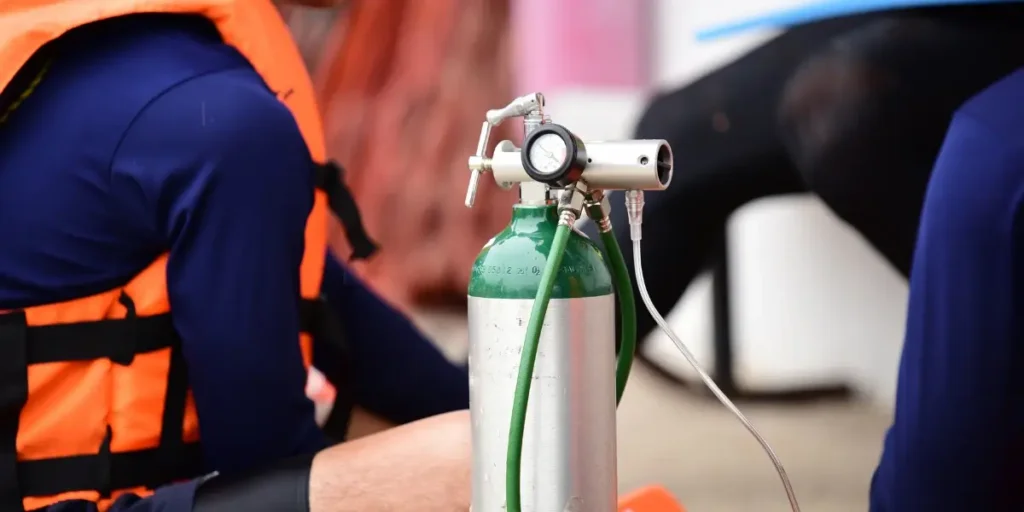
Old oxygen tanks tend to linger. They get pushed into a closet after a medical need changes, tucked into a storage room when a workplace kit is upgraded, or left behind when facilities change hands. The problem is that an oxygen tank isn’t “just metal.” It’s a pressurized cylinder, and mishandling can create serious safety risks.
Even when a tank seems empty, it can still contain residual pressure. And oxygen itself isn’t flammable, but it makes fires burn faster and hotter when it enriches an environment. That’s why throwing a cylinder in the trash, placing it in curbside recycling, or attempting DIY cutting is never a safe plan.
The right approach is simple: identify what you have, make it safe to transport, and use a disposal path designed for cylinders. This guide walks you through the process in plain language, with options that work for households and organizations across the U.S.
How To Dispose Of Your Old Oxygen Tank: The Quick Solution
Oxygen cylinders are often listed alongside other household hazardous waste items because they are pressurized. The U.S. Environmental Protection Agency encourages using community hazardous waste collection programs for items like compressed gas tanks.
The safest way to dispose of an old oxygen tank is to return it to the supplier when possible. If supplier return isn’t an option, use a household hazardous waste (HHW) drop-off program or a recycler that explicitly accepts compressed gas cylinders.
In most situations, you can think of the choices in this order: supplier return first, HHW second, and cylinder-capable recycling third. That sequence keeps you on the safest, lowest-risk track while avoiding the most common dead ends.
The 3 Safest Disposal Options
- Return or exchange with the supplier (especially for medical and leased cylinders)
- Household hazardous waste drop-off or special collection (common municipal option)
- Qualified cylinder recycler or scrap metal yard (only when accepted and properly prepared)
Step 1: Identify What Kind Of Oxygen Tank You Have
Before you decide where to take the tank, you need to identify what it is and who “owns” it. Different cylinder types follow different disposal rules, and the fastest way to get stuck is to assume all oxygen tanks are handled the same way.
Look at the label, any company markings, and the general context of how the tank was used. If you’re dealing with multiple cylinders, take photos of labels and stamps so you can reference them when calling a supplier or disposal program.
Medical Oxygen Cylinder
Medical cylinders are commonly supplied through a medical equipment company. In many cases, the cylinder is part of a rental or exchange program, even if it has been in your possession for a long time.
If the tank has a supplier name or looks like it came from a medical provider, treat supplier return as your first move. That’s often the easiest option, and it keeps the cylinder within a system built to handle it safely.
Industrial/Welding Oxygen Cylinder
Industrial oxygen cylinders are usually handled through welding gas suppliers and exchange programs. If your tank came from a welding supplier, a fabrication shop, or an industrial gas program, disposal is typically tied to that supplier’s return process.
These cylinders are not meant for curbside systems or “drop it off wherever.” Industrial suppliers routinely manage returns, exchanges, and end-of-life handling.
SCUBA/Diving Cylinders
SCUBA tanks are their own category. They are not handled like medical cylinders, and they shouldn’t be treated like general scrap metal without the right guidance.
If the tank is from a diving context, the most practical option is to contact the dive shop or supplier that originally sold or serviced it. They can guide you to the correct disposal or recycling route.
Small Canisters vs Refillable Cylinders
Some oxygen-related products are sold as small canisters or cartridges. These may have different handling instructions than refillable cylinders.
If the item is clearly labeled as single-use or non-refillable, follow the product’s disposal instructions and local waste program guidance. Do not assume it belongs in regular recycling without confirming.
Ownership Check: Rented vs Privately Owned
Ownership matters because many cylinders are not truly “yours” to dispose of freely. If the cylinder was rented, delivered, or exchanged through a provider, return is usually required.
A practical rule: if the tank has a company name on it, start with that company. If it’s privately owned and you have no supplier connection, HHW or a cylinder-capable recycler becomes your next best path.
Step 2: Make The Tank Safe Before Transport
Once you’ve identified the cylinder type, the next step is preparing it for safe transport and handoff. Your goal is to reduce risk while making it clear to whoever receives the cylinder that it is out of service and intended for proper disposal.
If you’re uncertain about the cylinder condition—especially if it is damaged, corroded, or very old—choose the most conservative option. In those cases, supplier return or HHW handling is usually safer than trying to “prep it yourself.”
Remove Regulators And Accessories
Remove the regulator, tubing, mask, and any attachments from the cylinder. Transporting a cylinder with a regulator attached increases the chance of damage or accidental release.
Set accessories aside in a separate bag or container. If you’re disposing of a workplace emergency oxygen setup, keep accessories organized so you can decide what will be replaced, reused, or retired.
Vent Remaining Oxygen Safely (If You Can Do So Without Forcing Anything)
If the tank has remaining oxygen, it should not be processed as scrap or placed into a disposal stream that requires an empty cylinder. If you can vent remaining oxygen safely, do it in a well-ventilated outdoor area.
Keep the cylinder away from smoking, open flames, sparks, oils/grease, and any activity that could ignite more easily in oxygen-enriched conditions. Vent slowly and calmly—this is not something to rush.
If you do not have the proper equipment, the valve is difficult to operate, or the cylinder appears compromised, don’t force it. Move to supplier return or HHW handling and ask for instructions.
Confirm “Empty” And Label Clearly
Once you believe the cylinder is empty, label it clearly with a marker: “EMPTY.” This small step helps disposal staff and recyclers handle the cylinder appropriately.
If the tank is damaged or obviously out of service, add “DO NOT USE” to prevent anyone from attempting reuse. Clear labeling reduces confusion and lowers the chance of unsafe handling.
Transport It Like A Cylinder, Not Like Scrap
Transport the cylinder upright when possible and secure it so it cannot tip, roll, or slide. A rolling cylinder can damage valves and create avoidable hazards.
If you’re transporting multiple cylinders, separate them and secure them individually. The goal is stable transport, not “packed tight.”
The Best Disposal Path: Return Or Exchange With The Supplier
For many people, supplier return is the correct answer. It keeps cylinders inside a controlled handling process, and it avoids the “will they accept this?” uncertainty you often run into with recycling yards.
Supplier return is especially important for medical cylinders and any cylinder that appears rented or company-owned.
If The Tank Was Rented Or Delivered By A Provider
If the tank was rented, delivered, or exchanged through a medical supplier, contact that supplier first. Many providers have a return process and may offer pickup or a designated return location.
If you are unsure which supplier it came from, check for labels, barcodes, or stamped identifiers. Even older cylinders often have traceable markings.
If The Tank Was Purchased Through A Supplier
If you purchased the cylinder outright, the supplier may still offer takeback, exchange, or upgrade programs. Ask if they accept tanks sold through their organization and whether the cylinder must be empty before return.
If you are replacing an oxygen setup for a workplace program, this is often the cleanest path. Exchange the old cylinder as part of a planned upgrade, rather than treating disposal as an afterthought.
If The Supplier Won’t Take It Or No Longer Exists
If you can’t identify a supplier or the supplier refuses return, move to HHW or a cylinder-capable recycler. In that situation, the key is not to store the cylinder indefinitely.
Long-term storage creates risk and often leads to confusion about whether the cylinder is safe, empty, or usable.
Option 2: Household Hazardous Waste Drop-Off Or Special Collection
Many cities and counties treat pressurized cylinders as special waste. That means they can be accepted through household hazardous waste programs, designated drop-off sites, or scheduled collection events.
This route is especially helpful for households, small organizations, and situations where supplier return isn’t available.
How To Find The Right Drop-Off
Start with your city or county waste authority and look for “household hazardous waste” or “special waste.” Many programs list compressed cylinders under categories such as pressurized containers or aerosols.
If you need help finding the right place quickly, search your city name plus “HHW drop-off” or call your municipal waste line. It’s a short step that prevents wasted trips and rejected drop-offs.
What To Ask Before You Drive There
Call ahead and ask three practical questions. Do you accept oxygen tanks or pressurized cylinders? Do they need to be empty? Are there any specific preparation steps you require?
Those answers tell you exactly how to prepare the cylinder and whether the facility is the right fit. It also prevents you from showing up with a cylinder that isn’t eligible for their program.
Option 3: Scrap Metal Or Cylinder Recycling
Recycling can be a responsible option, but it’s the most variable. Some scrap yards accept cylinders, some refuse them entirely, and some have strict requirements about preparation.
This option is best when the cylinder is confirmed empty and the facility explicitly accepts compressed gas cylinders.
Confirm Acceptance First
Do not assume a scrap yard will accept an oxygen tank just because it’s metal. Call first and ask whether they accept oxygen cylinders or compressed gas cylinders.
If they accept cylinders, ask whether they require any special prep. Some may require “empty” labeling, valve position confirmation, or other safety steps.
Material Sorting: Aluminum vs Steel
Some facilities sort aluminum and steel differently. If they ask what the tank is made of, they’re usually trying to route it correctly.
If you’re unsure, ask the facility how they prefer it identified. Don’t guess if the recycler has a defined method.
If You’re Told To Cut, Drill, Or Puncture It
Do not treat that as a DIY instruction. Cutting or puncturing cylinders can be dangerous, even when they seem empty.
If a facility requires disabling steps you are not trained to do, choose a different disposal route. HHW programs and cylinder recyclers exist specifically to handle higher-risk items safely.
What Not To Do
Most oxygen tank disposal problems come from a few predictable mistakes. Avoiding these is as important as choosing the right disposal path.
Don’t Put Oxygen Tanks In Trash Or Curbside Recycling
Curbside systems are not designed for pressurized cylinders. Even “empty” cylinders can create hazards during collection and processing.
Treat oxygen tanks as special waste and use a program built for cylinders.
Don’t Store Old Cylinders Indoors “Until Later”
A cylinder stored indefinitely becomes more likely to be knocked over, damaged, or misunderstood by others. It can also create confusion about whether it is empty or still in service.
If you can’t dispose of it immediately, store it upright, stable, and clearly labeled, then complete disposal as soon as possible.
Don’t Tamper With Valves Or Attempt DIY Disabling
Valve removal and cylinder disabling should be handled through supplier return, HHW programs, or professional recyclers. Improvised handling increases risk and can turn a manageable situation into a dangerous one.
Special Scenarios People Ask About
Disposal questions often come up during life changes and facility transitions. These scenarios are common, and the same decision tree still applies.
“We Found Tanks After Someone Passed Away”
Start by identifying any supplier name or label and contacting that supplier. Many medical cylinders were rented or managed through an exchange program.
If no supplier can be identified, use HHW drop-off or a cylinder-capable recycler and follow their requirements. Avoid giving cylinders away without confirming ownership and condition.
“I Don’t Have A Regulator—How Do I Empty It?”
Do not force the valve or improvise tools. In this situation, supplier return or HHW handling is often safer.
Explain the situation to the disposal program and ask for their guidance. The safest plan is the one that avoids improvisation.
“The Tank Is Damaged Or Looks Unsafe”
Treat damaged cylinders as higher risk. Do not attempt to vent, repair, or manipulate a damaged valve.
Use supplier return or an HHW program that can handle pressurized containers safely, and transport the cylinder secured and upright.
“Our Workplace Has Multiple Old Cylinders”
When multiple cylinders are involved, treat it like a small program transition. Inventory what you have, identify which cylinders are in service vs retired, and label retired units clearly.
If you’re upgrading a workplace oxygen program, coordinate disposal with your replacement plan so you don’t create gaps in readiness or leave unsafe storage behind.
A Simple Disposal Checklist
If you want one clean process that covers most situations, follow this sequence:
Identify the cylinder type and whether it is supplier-owned. Remove regulators and accessories. Vent remaining oxygen only if you can do so safely and without forcing anything. Confirm the cylinder is empty and label it clearly. Then use supplier return first, HHW second, and a cylinder-capable recycler third.
This approach keeps you on the safest path and prevents the most common disposal mistakes.
How Life Support Systems Can Help
Emergency oxygen is part of a complete readiness strategy, and disposal is often the last step organizations think about. The better approach is to manage oxygen equipment as a program—selection, placement, service, training, and planned transitions as equipment ages out.
Life Support Systems supports emergency readiness nationwide with equipment, on-site service, and training designed to keep organizations prepared. If your team has older oxygen cylinders, mixed equipment across locations, or uncertainty about what should be replaced and what can remain in service, a consultative review can simplify your next steps.
If you’d like support, submit a request through our contact form and include the number of locations you manage and the type of oxygen equipment you have on-site. Our team can help you plan safe transitions while keeping your oxygen program reliable and rescue-ready.
FAQs
Can I Throw Away An Empty Oxygen Tank?
No. Oxygen tanks are pressurized cylinders and should not be placed in trash or curbside recycling. Use supplier return, HHW drop-off, or a recycler that explicitly accepts cylinders.
Where Do I Take Old Medical Oxygen Tanks?
Start with the supplier listed on the cylinder or the company that delivered it. If supplier return isn’t available, contact your local HHW program for drop-off options.
Do Oxygen Tanks Need To Be Completely Empty Before Recycling?
Many programs require cylinders to be empty before acceptance. Always call ahead and follow the requirements of the facility receiving the cylinder.
Can A Scrap Yard Accept Oxygen Cylinders?
Some scrap yards accept empty cylinders, while others refuse them. Confirm acceptance in advance and follow their preparation rules.
What If The Oxygen Supplier Won’t Take The Tank Back?
Use your local HHW program or a cylinder-capable recycler. Avoid storing the cylinder indefinitely or attempting DIY cutting or valve removal.
Is It Safe To Puncture Or Cut An Oxygen Tank?
No. Cutting, drilling, or puncturing cylinders can be dangerous. Use professional disposal channels designed for pressurized containers.
How Should I Transport An Old Oxygen Tank For Disposal?
Transport the cylinder upright and secured so it cannot tip or roll. Remove attachments and label it “EMPTY” if confirmed empty.
What Should I Do With Old Regulators And Tubing?
Remove accessories from the cylinder and handle them separately. Disposal options vary by location and condition, so ask your supplier or HHW program for guidance.
Can Life Support Systems Help Replace Or Update Our Oxygen Program?
Yes. If you’re managing workplace oxygen across one site or multiple locations, Life Support Systems can help you plan equipment updates and maintain readiness through service and training.
Last updated on 4 weeks ago
 Call Us
 Email Us