AED and Safety Equipment Guides for Organizations - Life Support Systems
1.800.520.9635 info@lifesupportsystems.com

AED Vs Manual Defibrillator: Key Differences Explained

People often say “defibrillator” when they really mean “AED,” and that confusion can lead to the wrong decision. In a real emergency, what matters is not the label on the device—it’s whether the first person on scene can take the right action immediately, without hesitation. An AED and a manual defibrillator can both deliver a […]

Read More…

AED Vs CPR: Which Comes First?

When someone collapses and isn’t breathing normally, the next few minutes matter more than anything else. In workplaces, gyms, schools, and public spaces, people often hesitate because they’re unsure what to do first: start CPR or use the AED. The right answer is reassuringly simple. In most situations, CPR comes first while the AED is […]

Read More…

Special Considerations When Using An AED

Special Considerations When Using An AED

An AED is designed to make the right action possible in the most stressful moment. When someone collapses and is unresponsive, the priorities stay the same: call for help, start CPR, and use the AED as soon as it’s available. Special situations don’t change the urgency—they just change a few details that keep the response […]

Read More…

Why Defibrillators Are Crucial To Have In The Workplace

AEDs for Workplaces

Sudden cardiac arrest can happen without warning. It does not wait for the “right” time, the right place, or the right people to be nearby. It can happen at work—during a meeting, on a warehouse floor, at a front desk, or in a gym—when a person collapses and normal breathing stops. In that moment, your […]

Read More…

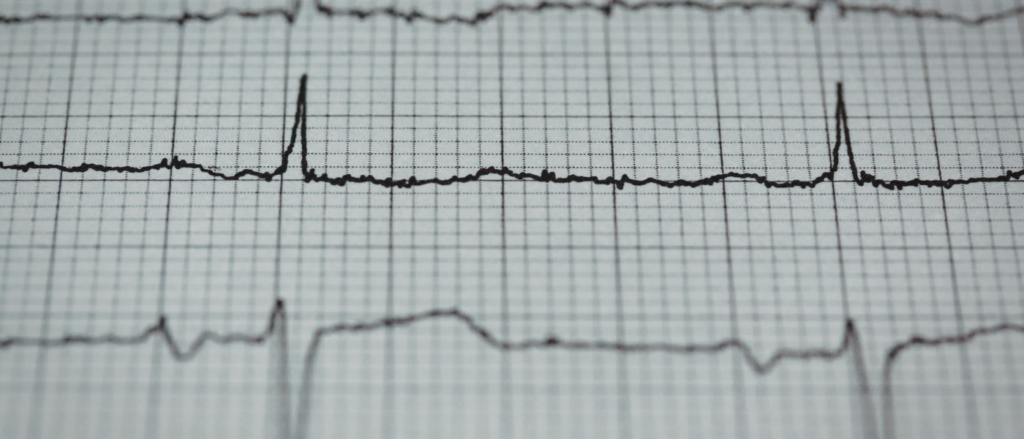
What Are Shockable Rhythms On An AED?

What Are Shockable Rhythms On An AED

If you’ve ever heard an AED say “Shock advised” or “No shock advised,” you know how intense that moment can feel. People often assume a defibrillator “always shocks,” or that “no shock” means something went wrong. In reality, the AED is doing exactly what it was designed to do: analyze the heart rhythm and guide […]

Read More…

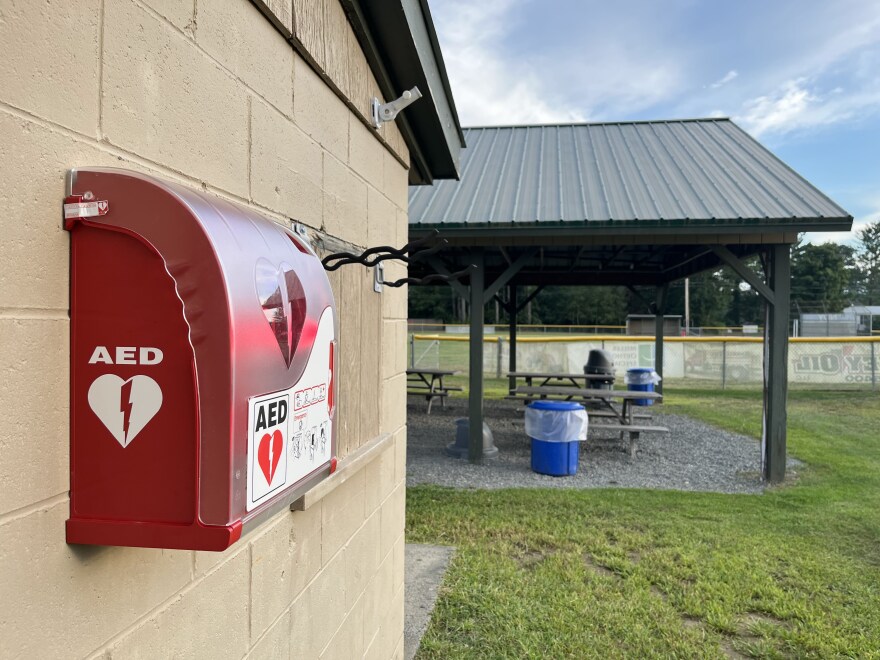
Mounting An AED: Height, Location, And Installation Best Practices

Mounting An AED: Height, Location, And Installation Best Practices

Mounting an AED is not just a facility task—it’s a readiness decision. A defibrillator that is hard to see, hard to reach, or hard to access can cost precious time during sudden cardiac arrest. The goal is simple: when someone needs the AED, it should be obvious where it is, easy to remove, and immediately […]

Read More…

Building a School AED Program That Protects Students, Staff, and Athletes

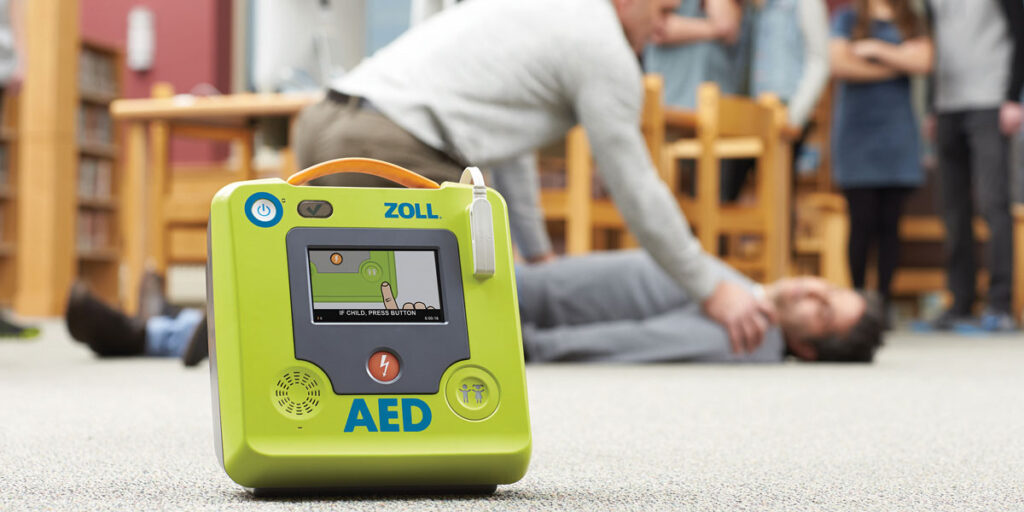
Zoll AED Library

Roughly one in every 25 schools in the United States can expect a cardiac arrest event on campus in any given year. That statistic surprises most administrators—because cardiac arrest in young people feels rare until it isn’t. But the data is clear: more than 23,000 children experience out-of-hospital cardiac arrest annually, and about 40 percent […]

Read More…

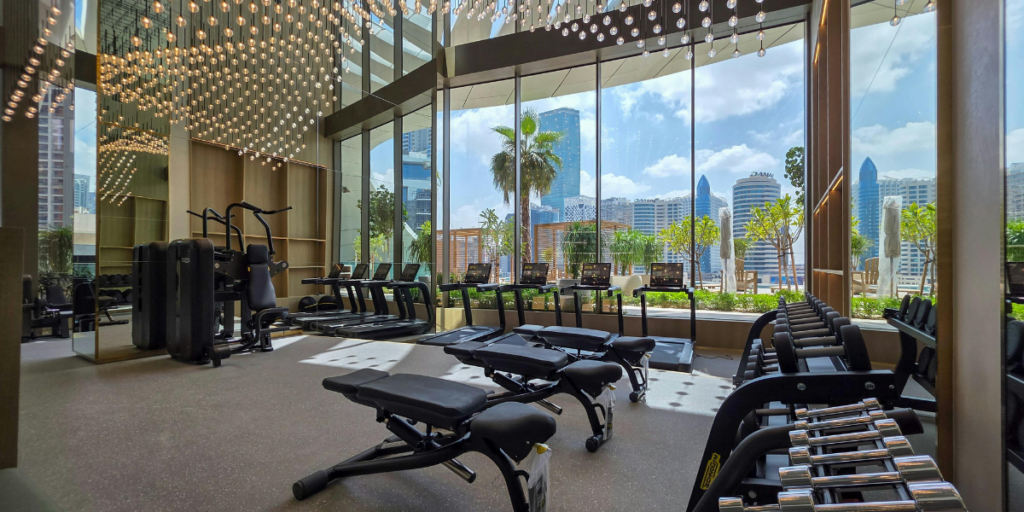
AED Service Requirements for Gyms and Fitness Centers: What Owners Actually Need to Know

AED Service Requirements for Gyms and Fitness Centers

Exercise is one of the best things a person can do for their heart. It’s also, paradoxically, one of the few activities that transiently increases the risk of sudden cardiac arrest, particularly for people with underlying conditions they may not know about. Research published in Circulation by the AHA found that the relative risk of cardiac […]

Read More…

How Much Do AEDs Cost? A Complete 2026 Guide for Organizations

How Much Do AEDs Cost

Automated External Defibrillators (AEDs) save lives every day. They are often the difference between life and death in the first critical minutes of cardiac arrest, long before EMS arrives. For schools, offices, gyms, government buildings, manufacturing sites, and public spaces, an AED is no longer a “nice to have” — it is an essential safety […]

Read More…