

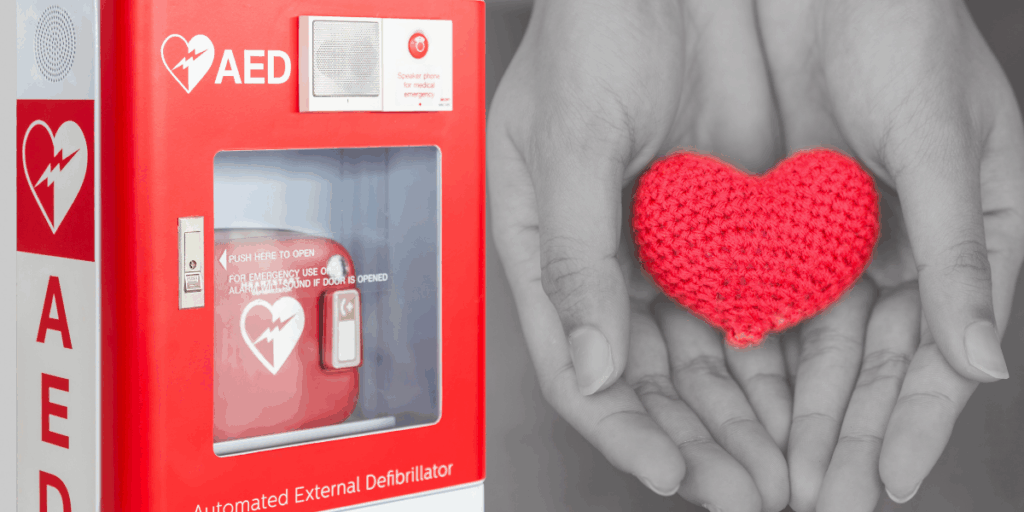
Automated External Defibrillators (AEDs) save lives every day. They are often the difference between life and death in the first critical minutes of cardiac arrest, long before EMS arrives. For schools, offices, gyms, government buildings, manufacturing sites, and public spaces, an AED is no longer a “nice to have” — it is an essential safety device.
Yet one question comes up in almost every conversation we have with clients: How much does an AED actually cost? The answer is important because the price of an AED is not just the number printed on a box. It includes features, accessories, replacement components, staff training, and ongoing support that keeps the device ready to save a life.
This guide breaks down real AED price ranges, what affects cost, and how to plan realistically for the lifetime cost of an AED program. More importantly, it explains how organizations can protect people, stay compliant, and avoid unexpected expenses by building a complete emergency readiness strategy.
The Short Answer: Typical AED Price Ranges
Most new AEDs cost between $1,200 and $3,000, depending on brand and features. Standard public-access models fall on the lower end, while advanced or professional-use AEDs are higher. Refurbished or recertified AEDs usually range from $600 to $1,200, offering savings for organizations with limited budgets.
These numbers give a useful ballpark, but they only tell part of the story. AEDs vary significantly in price based on the environment they are designed for, the technology they include, and whether they are purchased individually or as part of a full emergency readiness program.
What Drives AED Price?
The cost of an AED depends on several factors that influence performance, durability, compliance, and long-term value.
1. Type of AED and Intended Use
AEDs are made for different environments. A public-access AED for a small office or school is generally simpler and more affordable. A professional-use AED designed for healthcare or EMS settings includes advanced monitoring capabilities and typically costs more.
Workplaces and community organizations usually purchase public-access AEDs that offer clear voice prompts, straightforward operation, and simple maintenance. Gyms, industrial facilities, transportation hubs, or outdoor sites may require more rugged AEDs with higher weather resistance, adding to the cost.
2. Features and Technology
AEDs all deliver the same lifesaving shock, but the technology that supports the user can vary widely. This is often where prices increase.
Some AEDs include real-time CPR coaching, which gives instant feedback on compression depth and rate, helping responders maintain quality CPR. Others provide metronomes, visual prompts, bilingual language options, or automated self-checks that reduce maintenance demands.
Connectivity is another modern feature. Certain AEDs can communicate wirelessly to a cloud dashboard, allowing safety teams to track battery life, pad expiration, or readiness status across multiple locations. These capabilities improve oversight but come at a higher price.
3. AED Packages vs. Bare Units
Many organizations purchase AED “packages” rather than just the device, especially when creating a new emergency response program. Packages may include a wall cabinet, alarm, signage, a carry case, responder kits, or extra pads. These items raise the upfront investment but ensure the AED is clearly visible, properly stored, and ready for immediate use.
Buying a bare unit may seem cheaper, but organizations often end up purchasing accessories later — sometimes at higher individual costs. Packages simplify budgeting and support compliance with workplace safety standards.
4. Brand, Warranty, and Support
AED manufacturers differ in pricing, warranty length, and service availability. Established brands with nationally recognized support networks often provide better warranty terms, longer device lifespans, and easier access to replacement components. While they may cost more upfront, they frequently deliver better value over time.
Organizations also benefit when purchasing through a full-service emergency readiness provider rather than a simple distributor. Support, medical oversight, tracking, and maintenance can dramatically reduce liability and ensure compliance.
New vs. Refurbished vs. Rental AEDs
Organizations have several options depending on budget and long-term plans.
New AEDs
New AEDs are the most reliable option and often come with full manufacturer warranties, the latest technology, and the longest remaining lifespan. Schools, government agencies, healthcare facilities, and large corporations typically choose new units to ensure consistency across all locations.
Refurbished or Recertified AEDs
Refurbished AEDs are inspected, tested, and supplied with new pads and batteries. They are usually older models but can still deliver lifesaving performance. This option works well for organizations with limited budgets or for temporary installations. However, warranties may be shorter, and compliance with newer guidelines should always be verified before purchase.
AED Leasing or Program-Based Models
Some organizations choose monthly rental or subscription models rather than buying the equipment outright. These plans can include the AED, pads, batteries, inspections, maintenance, and replacement components. Leasing makes sense when an organization wants predictable monthly costs, ongoing oversight, or coverage for short-term projects or events.
Understanding the Total Cost of Ownership (TCO)
An AED is not a one-time purchase. Its lifetime cost is defined by the equipment itself and the ongoing maintenance required to keep it rescue-ready. A realistic budget considers the entire lifecycle of the device.
1. Initial Investment
The upfront cost includes the AED device plus any accessories needed for proper placement and compliance. A typical organization may need a wall cabinet, alarm, signage, a responder kit, and sometimes pediatric pads. These accessories help responders locate and use the AED quickly — a crucial factor when every second counts.
2. Replacement Pads and Batteries
AED pads and batteries have expiration dates and must be replaced regularly. Pads generally expire every two years and batteries every four to five years, depending on the model. Organizations should plan for these replacements to maintain readiness. If the AED is used in an emergency, pads must be replaced immediately afterward.
These ongoing supplies represent a predictable cost over time. Planning ahead ensures the device never becomes unusable due to expired components.
3. Training and Certification
Training is part of the real cost of owning an AED, because a device alone cannot save a life — a trained responder can. CPR, AED, First Aid, and OSHA-compliant courses vary in price depending on whether they are online, blended, or in-person. Large organizations often schedule group training to reduce per-person costs and ensure consistent skill levels.
4. Inspections, Oversight, and Readiness Tracking
AEDs require periodic checks to ensure they are functioning properly. These checks may be handled internally or outsourced to a professional service. Some industries also require medical oversight or documentation of device readiness. For multi-location organizations, a structured tracking system is essential.
A well-managed AED program prevents avoidable fines, failed inspections, or liability issues — and provides peace of mind that the device will work the moment it is needed.
How Long Do AEDs Last?
Most AEDs last eight to ten years before needing full replacement. Over time, manufacturer updates, technology improvements, and guideline changes may influence the decision to upgrade.
Even if a device still powers on, the manufacturer may stop producing pads or batteries for older models, making replacement unavoidable. Regular program reviews help organizations prepare for replacement cycles and budget appropriately.
Funding and Budgeting Options
Many organizations rely on grants, donations, or community support to help pay for AEDs. Schools, youth programs, and athletic organizations often qualify for grants specifically dedicated to lifesaving equipment. Some nonprofits and community foundations also provide support for AED placement initiatives.
In certain cases, AED purchases may be considered a business safety expense, and some individuals may be able to use HSA or FSA accounts for personal AED purchases, depending on the provider’s policy. While these options require verification, they offer potential financial flexibility.
How to Choose the Right AED for Your Budget and Environment
Choosing the right AED is not simply about selecting the lowest price. It requires an understanding of where the device will be used, who will use it, and what features support the fastest and most effective response.
Organizations should begin by evaluating their environment and determining how quickly responders need to access the AED. This assessment often reveals whether multiple devices are needed or whether certain features — such as real-time CPR coaching or ruggedized construction — are essential.
Next, decision-makers should prioritize features based on training levels, population needs (including pediatric use), and environmental risks. Once the device type is determined, budget planning should include accessories, replacement components, and training.
Finally, organizations benefit greatly from partnering with a full-service emergency readiness provider. A partner can design a custom system, simplify compliance, offer medical oversight, and provide consistent nationwide support. This reduces administrative burden and ensures every AED remains ready when it matters most.
Why Buy Through a Full-Service Provider Like Life Support Systems
Choosing where to purchase an AED matters just as much as choosing the AED itself. Life Support Systems is one of the few organizations in the country that not only sells all major AED brands and models but also provides nationwide on-site service, inspections, program management, and certified training through a full-time internal team.
We never outsource. That level of continuity is rare in this industry — and it directly impacts safety, compliance, and long-term reliability.
When you purchase your AEDs from Life Support Systems, you receive far more than equipment.
You gain a partner who supports every part of your emergency readiness program, including device selection, placement strategy, medical oversight, readiness tracking, staff training, and ongoing pads and battery replacements.
This integrated approach ensures your AEDs remain fully compliant and rescue-ready at all times.
For more than four decades, organizations across all 50 states have trusted us to design, maintain, and support life-saving programs that meet regulatory standards and protect the people they serve.
We understand that an AED is more than a purchase — it is a commitment to safety and a responsibility to preserve lives. Our mission is to make that responsibility as clear, manageable, and effective as possible.
If you’re evaluating AED costs or comparing equipment options, our specialists can help you select the right device and build a tailored emergency readiness plan that fits your organization’s needs and budget.
FAQs About AED Cost
How much does an AED typically cost for a workplace or school?
Most organizations can expect to spend between $1,200 and $2,000 for a new AED, plus accessories such as cabinets, signage, and a responder kit.
Why do some AEDs cost more than others?
Price increases with added features such as CPR coaching, rugged construction, wireless connectivity, or longer warranties.
Are refurbished AEDs safe?
Yes, if purchased from a reputable provider. They are tested and supplied with new pads and batteries. Always confirm compliance with current guidelines.
How often do pads and batteries need to be replaced?
Pads generally expire every two years; batteries every four to five years. Both must be replaced after use.
Do I need pediatric pads, and how does that affect cost?
Environments with children — schools, youth centers, churches — usually require pediatric capability. Some AEDs use a key or setting switch; others require separate pads.
How long will an AED last before needing replacement?
Most AEDs last eight to ten years. Organizations should plan for replacements with sufficient notice to maintain readiness.
Does training come with the AED?
Training is usually an additional cost, but it is essential for effective emergency response. Many organizations schedule group training sessions to ensure consistent skill levels.
Can I lease an AED instead of buying one?
Yes. Leasing and subscription models allow organizations to pay monthly and typically include replacement pads, batteries, and maintenance.
Does Life Support Systems help with budgeting and ongoing oversight?
Absolutely. We design custom AED programs, track maintenance requirements, and provide nationwide on-site service to ensure long-term reliability.
Last updated on 1 month ago
 Call Us
 Email Us