

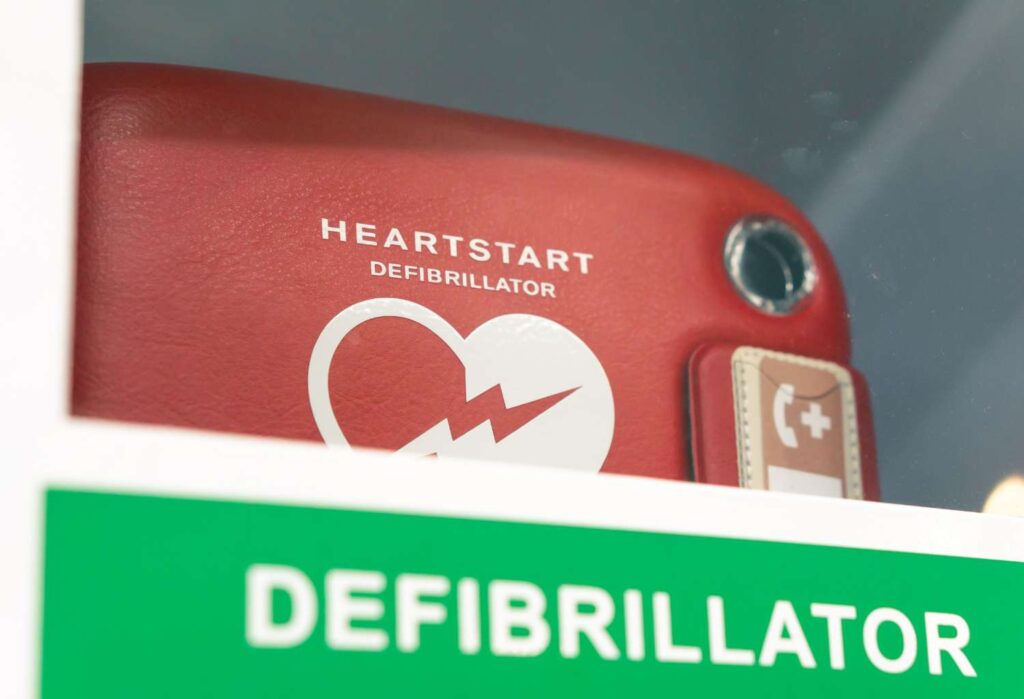
Regular defibrillator servicing is essential to ensure your Automated External Defibrillator (AED) works correctly during a cardiac arrest emergency. These devices are designed for life-saving defibrillation, but they must be properly maintained to deliver reliable performance when every second matters.
A neglected AED can fail due to expired AED electrode pads, low battery, or internal system errors. In a real emergency, such failures can delay or completely prevent life-saving shock delivery, significantly reducing survival chances during sudden cardiac arrest situations.
This guide is designed to be simple, structured, and easy to follow. It explains how often you should service your defibrillator, breaking down maintenance into clear timelines so both individuals and workplaces can easily understand what is required.
Proper and timely servicing ensures that the AED delivers accurate defibrillation performance, maintains readiness, and functions as intended during critical emergency response situations.
For workplaces, schools, gyms, and public facilities, regular AED maintenance is not just recommended—it is often required for safety compliance standards. Keeping the device fully functional helps meet legal and operational safety expectations while ensuring maximum protection for staff and visitors.
Why Regular Defibrillator Servicing Is Critical
A defibrillator (AED) is an emergency-critical medical device that must always be kept in a ready-to-use condition. Unlike regular equipment, an AED is only used in life-threatening situations such as cardiac arrest, where immediate defibrillation can determine whether a person survives or not. This is why constant readiness through proper servicing is essential.
One of the biggest risks of poor maintenance is battery failure or expired AED electrode pads. If the battery is weak or the pads are past their expiration date, the device may not turn on correctly or may fail to deliver effective shock delivery. In an emergency, even a small delay or malfunction can significantly reduce the chances of restoring a normal cardiac rhythm.
Regular servicing ensures that all components of the AED are fully functional, properly stored, and ready for immediate use during emergency response situations. It also helps identify hidden issues before they become critical failures during real-life cardiac emergencies.
From an organizational perspective, maintaining a properly serviced AED also strengthens Branding & Identity for safety-focused institutions. It shows commitment to health, preparedness, and responsibility, building trust among employees, customers, and visitors by demonstrating that safety standards and emergency readiness are taken seriously.
How Often Should You Service a Defibrillator (Standard Timeline)
The general industry recommendation for defibrillator (AED) servicing is based on regular checks at different intervals to ensure the device is always ready for cardiac arrest emergencies. Since an AED is a life-saving device used for defibrillation, even small issues like low battery or expired pads can affect performance. A structured maintenance schedule helps maintain reliability and emergency response readiness.
Most safety guidelines suggest three levels of inspection: monthly visual checks, quarterly functional inspections, and annual professional servicing. This layered approach ensures continuous safety and compliance in workplaces and public areas.
Monthly Visual Checks
- Check the AED status light or readiness indicator to confirm the device is operational
- Ensure there is no physical damage to the AED unit or storage cabinet
- Confirm all accessories like pads and rescue kit are present and intact
- Make sure the AED is accessible and clearly located for emergency use
These quick checks help ensure the device remains visible, functional, and ready for immediate use during emergency situations.
Quarterly Functional Inspection
- Review battery status and internal diagnostics if available on the device
- Check AED electrode pads for expiration dates and proper sealing
- Ensure pads are stored correctly and not dried out or damaged
- Verify that CPR and AED instruction labels are visible and readable
Quarterly inspections help detect early issues that could affect shock delivery or reduce effectiveness during a cardiac emergency.
Annual Professional Service
- Complete technical inspection by a certified AED technician
- Testing of device functionality, circuitry, and safety performance
- Update software or firmware if required by manufacturer
- Review and issue compliance documentation for workplace safety records
Annual servicing ensures the defibrillator meets all safety standards, remains fully reliable, and is legally compliant for workplace or public facility use.
AED Maintenance Checklist
A proper defibrillator (AED) maintenance checklist helps ensure the device is always ready for cardiac arrest emergencies. Since an AED is used for life-saving defibrillation, regular inspections are necessary to avoid failures in shock delivery and to maintain full emergency response readiness in workplaces and public facilities.
AED Maintenance Checklist Table
| Maintenance Task | Frequency | Why It Matters |
| Visual device check | Monthly | Ensures AED readiness indicator is active and device is functioning properly |
| Pad inspection | Monthly / Quarterly | Prevents use of expired or damaged AED electrode pads, ensuring effective defibrillation |
| Battery check | Quarterly | Avoids unexpected device failure during a cardiac emergency |
| Full servicing | Yearly | Ensures overall AED reliability, performance testing, and system safety |
| Professional audit | Yearly | Confirms safety compliance standards and workplace readiness documentation |
This quick reference checklist is designed for safety managers, workplace coordinators, and facility teams who need a simple way to ensure consistent AED maintenance compliance and reliable performance during real-life emergency situations.
What Needs to Be Replaced in a Defibrillator
A defibrillator (AED) is a long-term safety device, but several key components must be replaced regularly to ensure reliable defibrillation during a cardiac arrest emergency. Timely replacement helps maintain proper shock delivery, reduces the risk of device failure, and ensures full emergency response readiness.
AED Battery Lifespan and Replacement Timing
- The AED battery typically lasts between 2 to 5 years, depending on the model and usage
- Most devices provide a low-battery warning or readiness alert before failure occurs
- Batteries should be replaced immediately when the device indicates low power or after the manufacturer’s recommended timeframe
- A fresh battery ensures the AED can power on instantly during a cardiac emergency without delay
AED Electrode Pad Expiration Dates
- AED electrode pads have a limited shelf life, usually 18 to 36 months
- Over time, the gel on the pads dries out, reducing adhesion and effectiveness
- Expired pads may fail to deliver proper electrical conduction during defibrillation
- Pads should always be replaced before their expiration date to ensure safe use
Accessory Replacement (Pads, Connectors, Case Components)
- Additional AED accessories such as connectors, cables, and battery packs may wear out over time
- Protective cases or cabinets may also require replacement if damaged or exposed to environmental wear
- Regular inspection ensures all components are intact and ready for immediate use
- Proper accessory maintenance supports overall device reliability and consistent emergency performance
Common Defibrillator Maintenance Mistakes to Avoid
Proper defibrillator (AED) maintenance is essential to ensure reliable defibrillation during cardiac arrest emergencies. However, many workplaces and individuals make avoidable mistakes that can reduce device performance and compromise emergency response readiness. Understanding these errors helps improve safety and compliance.
Ignoring Status Indicator Alerts
- Many AEDs have a readiness status light or alert system that shows if the device is operational
- Ignoring warning signals can lead to device failure during a critical emergency
- These alerts often indicate issues with the battery, internal system, or electrode pads
- Always respond immediately to any AED warning indicator to ensure full readiness
Using Expired AED Pads
- AED electrode pads have a strict expiration date due to drying gel and reduced conductivity
- Using expired pads can weaken shock delivery or cause complete failure in defibrillation
- Expired pads may not stick properly to the chest, affecting placement accuracy
- Always replace pads before expiration to ensure safe and effective operation
Not Logging Inspections
- Failing to record AED maintenance checks can lead to missed issues over time
- Inspection logs are important for tracking battery status, pad condition, and device readiness
- Without proper documentation, compliance with safety regulations may be at risk
- Regular logging ensures accountability and consistent emergency preparedness
Skipping Professional Servicing
- Relying only on basic visual checks is not enough for long-term AED reliability
- Professional servicing ensures full technical inspection, testing, and calibration
- Skipping this step can result in hidden faults going unnoticed until an emergency occurs
- Annual servicing supports both device reliability and compliance standards
DIY Checks vs Professional AED Servicing
Understanding the difference between basic AED checks and professional defibrillator servicing is important for maintaining full emergency response readiness. While simple inspections can be done by anyone, complete technical servicing requires trained professionals to ensure reliable defibrillation during cardiac arrest emergencies.
What Basic Users Can Safely Check
- Perform a visual inspection of the AED unit to ensure it is clean and undamaged
- Check the status indicator light to confirm the device is ready for use
- Ensure the AED is placed in an accessible and visible location during emergencies
- Verify that basic accessories like pads and rescue kits are present
These simple checks help maintain day-to-day readiness and ensure the device is easy to locate and use during an emergency.
Why Professionals Are Required for Full Servicing
- Conduct detailed technical diagnostics to detect hidden faults in the device system
- Perform compliance verification to ensure the AED meets safety and regulatory standards
- Complete device calibration and performance testing for accurate shock delivery
- Inspect internal components that cannot be assessed through visual checks
Professional servicing ensures the AED remains fully reliable and capable of delivering effective defibrillation when needed most.
Cost Factors for Defibrillator Servicing
The cost of defibrillator (AED) servicing can vary depending on several important factors. Understanding these helps organizations plan budgets for proper maintenance, compliance, and emergency readiness, ensuring reliable defibrillation during cardiac arrest situations.
Device Model and Manufacturer Differences
- Different AED models have different servicing requirements and technical complexity
- Premium or advanced devices may require specialized tools or certified technicians
- Manufacturer-specific parts can affect the overall servicing cost
- Availability of replacement components also influences pricing
- These variations impact long-term maintenance planning and emergency readiness
Service Contract vs One-Time Inspection
- Service contracts usually include scheduled maintenance, inspections, and priority support
- One-time inspections are paid individually and may not include long-term monitoring
- Contracts often reduce overall cost and improve compliance consistency
- One-time services are suitable for small setups but may lack ongoing tracking
- Choosing the right option depends on usage environment and safety compliance needs
Replacement Parts Cost (Pads, Batteries)
- AED electrode pads must be replaced after expiration, typically every 2–3 years
- Defibrillator batteries also require periodic replacement depending on usage and model
- Additional accessories like connectors or storage cases may add to total cost
- Regular replacement ensures effective shock delivery and device reliability
Signs Your Defibrillator Needs Immediate Service
A defibrillator (AED) is designed to stay in standby mode for cardiac arrest emergencies, but it must always remain fully functional for effective defibrillation. If any issue appears, immediate servicing is required to avoid failure during a life-saving emergency response situation.
Warning Lights or Error Indicators
- Most AEDs have a status light or alert system that shows device readiness
- A flashing red light, beep, or error message indicates a problem
- These warnings may signal internal faults, battery issues, or system errors
- Ignoring these alerts can lead to device failure during a cardiac emergency
Expired Pads or Low Battery Alerts
- AED electrode pads have expiration dates and must be replaced on time
- Expired pads may lose adhesive strength and reduce shock delivery effectiveness
- Low battery alerts indicate the device may not power on during use
- Both issues directly impact reliable defibrillation performance
Physical Damage to Device or Case
- Cracks, dents, or water damage can affect internal AED components
- Damaged storage cases may expose the device to dust or moisture
- Any visible damage should be treated as a serious safety concern
- Physical issues can compromise emergency readiness and device reliability
Missing Accessories or Unreadable Instructions
- Missing pads, rescue kits, or cables reduce the AED’s usability in emergencies
- Faded or unreadable instructions can slow down emergency response time
- All essential components must be present and clearly accessible at all times
- Proper setup ensures smooth chain of survival during cardiac arrest events
If any of these signs are present, the AED should be inspected and serviced immediately to ensure it is fully ready for safe and effective use in critical cardiac emergency situations.
Benefits of Regular AED Maintenance
Regular AED (Automated External Defibrillator) maintenance ensures that the device is always ready for immediate use during cardiac arrest emergencies, where fast and effective defibrillation can save lives. Proper upkeep directly improves reliability, safety, and overall emergency preparedness.
Higher Survival Chances During Cardiac Arrest
- A well-maintained AED delivers faster and more accurate shock delivery
- Correct function increases the chance of restoring a normal cardiac rhythm
- Immediate readiness reduces delays during life-threatening emergencies
- Better response time significantly improves survival outcomes
Reliable Defibrillation Performance
- Regular checks ensure the AED operates at full efficiency
- Fully functional AED electrode pads and batteries support effective defibrillation
- Device accuracy is maintained for detecting abnormal heart rhythms
- Ensures consistent performance during every emergency use
Reduced Device Failure Risk
- Routine maintenance helps identify issues before they become critical
- Prevents failure caused by expired pads or weak batteries
- Ensures internal systems remain fully operational
- Reduces risk of malfunction during emergency response situations
Workplace Safety Compliance
- Regular AED servicing supports compliance with safety regulations and standards
- Helps organizations meet legal and occupational health requirements
- Demonstrates responsibility toward employee and public safety
- Strengthens audit readiness and documentation practices
Strong Emergency Readiness System
- Ensures AED is always accessible and fully functional
- Builds confidence among staff and responders during emergencies
- Supports a complete chain of survival approach with CPR and AED readiness
- Creates a safer environment in workplaces, schools, and public areas
Consistent AED maintenance is not just a technical requirement—it is a critical safety practice that ensures life-saving equipment performs effectively when it is needed most.
Conclusion
Regular defibrillator (AED) servicing ensures that life-saving equipment remains fully functional during cardiac emergencies, where every second is critical for survival. Proper maintenance helps prevent unexpected failures, improves overall defibrillation reliability, and keeps the device ready for immediate use when needed most.
Consistent servicing also supports workplace and public safety by ensuring compliance with recognized safety standards and emergency preparedness requirements. This reduces risk, strengthens response capability, and ensures the AED performs correctly during real-life emergency response situations.
For professional AED maintenance, inspection, and compliance support, lifesupportsystems provides trusted emergency safety solutions backed by industry expertise. Call 1.800.520.9635 for immediate assistance and ensure your workplace remains fully prepared, compliant, and ready to respond effectively to life-threatening cardiac emergencies.
Frequently Asked Questions
How often should an AED be checked?
An AED (Automated External Defibrillator) should be checked regularly to ensure it is ready for cardiac emergency use. A monthly visual check is recommended to confirm the status indicator is working, and an annual professional service ensures full defibrillation readiness and compliance.
Do defibrillator pads expire?
Yes, AED electrode pads have an expiration date. Over time, the gel can dry out, which reduces adhesion and effectiveness during shock delivery. Expired pads must always be replaced to ensure safe and reliable operation during cardiac arrest emergencies.
Can AED batteries be replaced at home?
In many AED models, batteries can be replaced easily at home or in the workplace. However, it is still recommended to have a professional inspection afterward to confirm proper installation and ensure the device remains fully ready for emergency response situations.
What happens if an AED is not serviced?
If a defibrillator is not serviced regularly, it may fail during an emergency. This can result in non-functioning batteries, expired pads, or system errors, which can prevent effective defibrillation and reduce survival chances during cardiac arrest.
Is AED maintenance required by law?
In many regions and workplaces, AED maintenance is required under health and safety compliance regulations. Organizations must ensure their devices are regularly inspected and fully operational to meet legal and occupational safety standards.
How long does an AED battery last?
An AED battery typically lasts between 2 to 5 years, depending on the model and usage conditions. Regular monitoring is important to avoid sudden power failure during a critical emergency response.
Last updated on 3 days ago
 Call Us
 Email Us