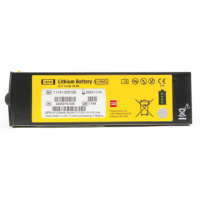
If your Automated External Defibrillators (AED) is beeping, showing a red X, or displaying a low battery warning, it may not be rescue-ready. AED batteries do not last forever, and the device will alert you when it needs attention. Life Support Systems helps you replace the correct AED battery for your exact model and confirm the AED returns to a verified “ready” status.
AEDs are designed to self-test, but the AED cannot help in an emergency if the battery is low, expired, or failing. A low battery warning or “not ready” indicator should be treated as an urgent readiness issue.
Life Support Systems helps organizations replace AED batteries on time, avoid missed replacement windows, and verify the AED is ready after the battery is installed.
Battery replacement is not just a part order — it’s a readiness step. Life Support Systems helps you confirm the correct AED battery for your exact model and keep your devices rescue-ready with tracked replacement timing.
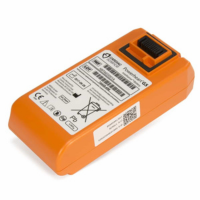
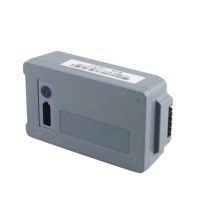
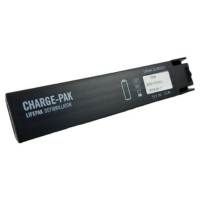
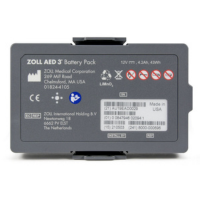
Confirm your AED model and match the correct battery pack.
Defibrillator battery replacement should not be guesswork. Life Support Systems makes it simple to identify the correct battery, replace it, and confirm your AED is ready.
AED battery replacement cost depends on your AED brand and model, whether the AED uses a standard battery pack or a combined battery module, and whether you are replacing proactively or responding to an alert.
The bigger cost risk is ordering the wrong battery or waiting until your AED is not ready. Life Support Systems helps you confirm the correct replacement and keeps your AED on a predictable replacement schedule.
Pricing varies by AED model. Request pricing and we’ll confirm compatibility and provide a clear quote by phone or email.
Not all AED battery systems work the same way. Life Support Systems helps you choose the right battery setup based on how your AED is used and how much ongoing battery management your team can support.
Rechargeable AED batteries (often NiMH or lithium-ion) can make sense for higher-use facilities, but they require charging stations, consistent charging routines, and ongoing oversight. Most rechargeable systems follow a planned replacement cycle (often around 3–5 years).
Non-rechargeable AED batteries (typically long-life lithium) are built for maximum reliability with minimal maintenance. There is no charging infrastructure—just install and confirm the AED returns to “ready.”
We’ll help you compare options based on:
When to replace an AED battery: low-battery alerts, self-test failures, approaching replacement dates, reduced standby time (rechargeable systems), or visible battery damage.
Support for site-by-site needs and consistency across locations
Tracking and documented readiness
Maintained devices, clearer records, stronger response
A strong AED program depends on reliable power. If an AED battery is low, expired, or failing, the AED may not be ready when you need it most. Life Support Systems helps workplaces, schools, and public venues keep AED batteries current and confirm the AED returns to a verified “ready” status after replacement.
AED Battery Readiness Best Practices
Schedule routine AED readiness checks
Track battery replacement timing and expiration windows
Keep documentation updated across all AED locations
Confirm the AED shows “ready” after any battery change
Use a maintenance plan so replacements don’t get missed
Battery life depends on the AED model, how often it self-tests, storage conditions, and whether the AED has been used. Many AED batteries are designed to last years, but you should rely on the AED’s indicator, replacement schedule, and any alerts rather than guessing.
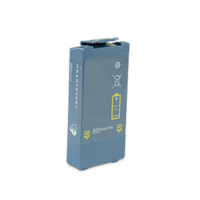
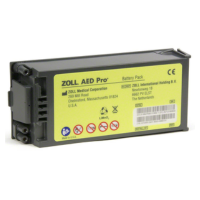
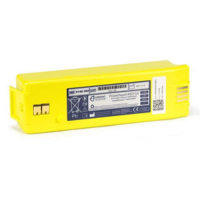
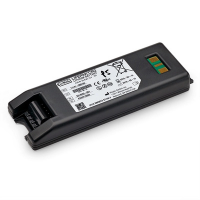
Yes. AED batteries are model-specific and not interchangeable across brands or even across different models within the same brand. If you are not sure which battery you need, Life Support Systems can confirm compatibility from the AED model label or a quick photo.
Battery alerts are common — but they should not be unexpected. Life Support Systems offers AED service and maintenance plans that track replacement timing, reduce downtime, and help keep every AED rescue-ready. If you manage multiple AEDs or multiple locations, a maintenance plan reduces risk and administrative burden.
Whether your AED is beeping, showing a low battery warning, or you are planning a scheduled replacement, Life Support Systems will match the correct AED battery to your device and provide pricing by phone or email. No online checkout — just fast answers and a clear path back to “ready” status.


 Call Us
 Email Us