

Many organizations choose to keep spares so they can return to ready status quickly after use or when a replacement is needed. We can recommend what makes sense based on your environment and number of devices.
Cardiac emergencies can happen anywhere — at work, at school, or in public spaces. Having a Philips HeartStart FRx AED on-site is an important step, but it only helps if it is rescue-ready. In a large survey of public-access AEDs, more than 1 in 5 didn’t pass at least one readiness assessment.
Life Support Systems keeps your Philips HeartStart FRx AED ready through routine inspections, expiration tracking, and fast replacement support — with nationwide on-site service and documentation that makes your program easier to manage.
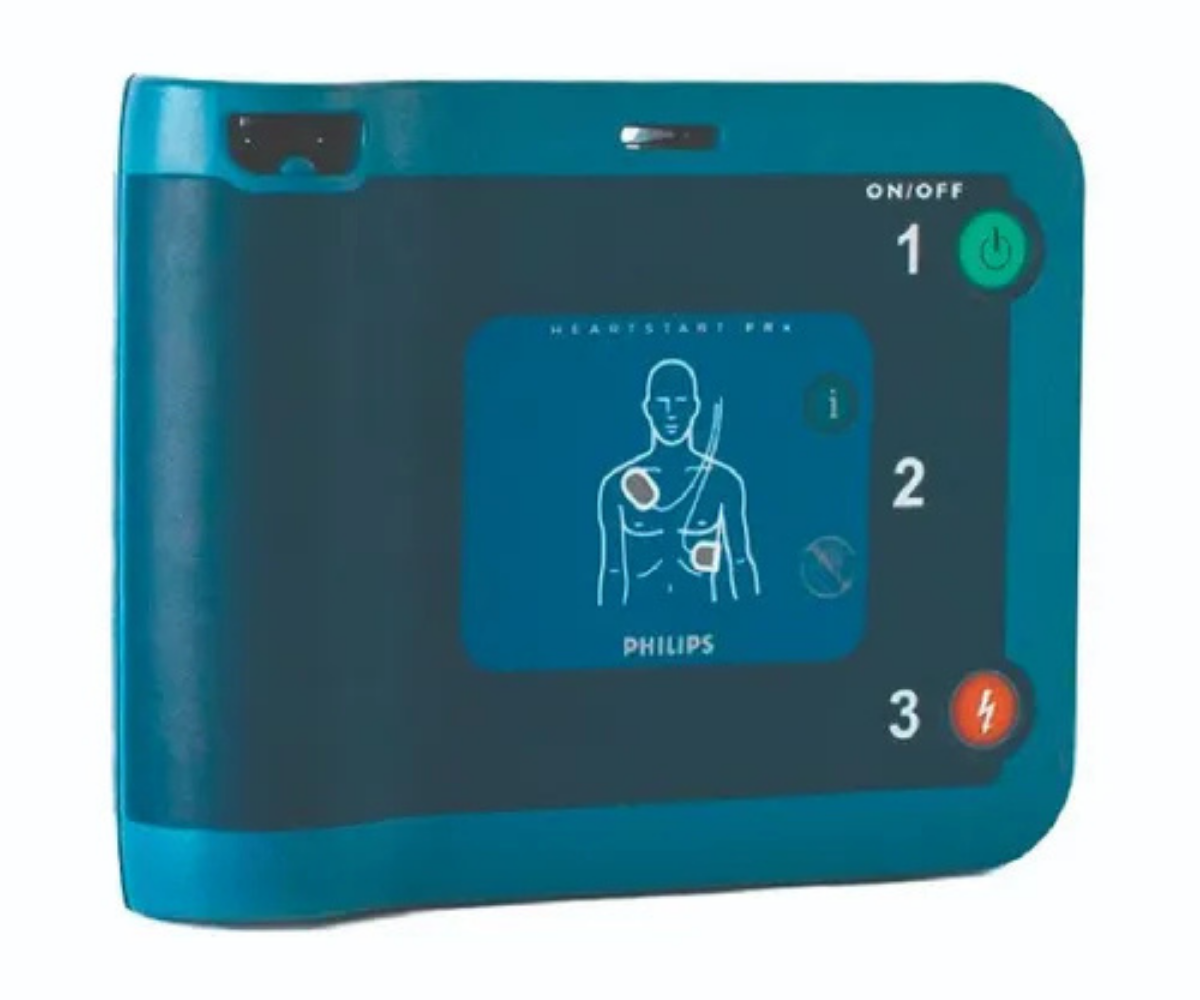
Most Philips HeartStart FRx issues are preventable. The challenge is that they often show up quietly — a readiness light that stops blinking, a chirp you don’t recognize, or pads and batteries that reach replacement timing before anyone notices. Life Support Systems handles these issues for you and confirms the AED returns to a verified “ready” status.
What you may see: The green Ready light is not blinking, or the device does not appear “ready.”
What it usually means: The AED has detected a condition that needs attention, or the AED is not in its normal standby-ready state.
How we handle it: We verify the FRx readiness indicator behavior, check the installed pads and battery status, resolve the underlying issue, and confirm the Ready light returns to the correct “ready” state.
What you may hear: The FRx chirps while the AED is in its case or on the wall.
What it usually means: The AED is signaling that something needs attention, commonly related to battery readiness or pad connection status.
How we handle it: We identify the alert cause, verify the correct parts for your exact FRx setup, and restore the AED to “ready” with documented confirmation.
What you may see: The information button (i-button) is flashing, sometimes along with chirping.
What it usually means: The FRx is directing you to an attention item that may affect readiness.
How we handle it: We interpret the device indicators, identify the specific readiness issue, correct it, and confirm the AED returns to a verified ready status.
What you may see: Pads near expiration, pads not connected properly, or pads needing replacement after use.
Why it matters: Pads can expire and must be replaced after use. When pads are missing, expired, or not properly connected, readiness is compromised.
How we handle it: We check SMART Pads II status and expiration, confirm connection, replace pads as needed, and document the replacement timing so it doesn’t get missed later.
What you may see: Low battery warning, alert behavior, or replacement timing approaching.
Why it matters: Battery replacement needs to be model-correct, installed properly, and verified so the AED returns to “ready.”
How we handle it: We confirm the correct FRx battery, replace it when needed, complete the post-install readiness verification, and confirm the Ready indicator returns to the appropriate state.
What you may see: A pediatric setup question, a device configuration uncertainty, or a need to support environments with children.
Why it matters: Pediatric capability is important in some settings, but the FRx must remain in its correct ready configuration.
How we handle it: We confirm how pediatric capability is being managed for your environment, ensure the AED remains rescue-ready, and document the setup so staff are confident during a real event.
Verify FRx readiness indicators and confirm “ready” status
Diagnose chirps/alerts and restore the AED to “ready”
Check SMART Pads II connection and expiration
Replace batteries and pads as needed and verify readiness afterward
Track replacement timing so nothing lapses
Provide documentation support for internal accountability and program consistency
Every visit and service plan is designed to keep your Philips HeartStart FRx AED ready for use — not just present on the wall. We focus on the details that cause real readiness failures: indicator changes, expiring consumables, unexpected alerts, and post-incident steps that are easy to miss when your team is busy.
You also get a clearer program. That means consistent checks, replacement timing you can rely on, and documentation that helps you manage readiness across one AED or many locations.
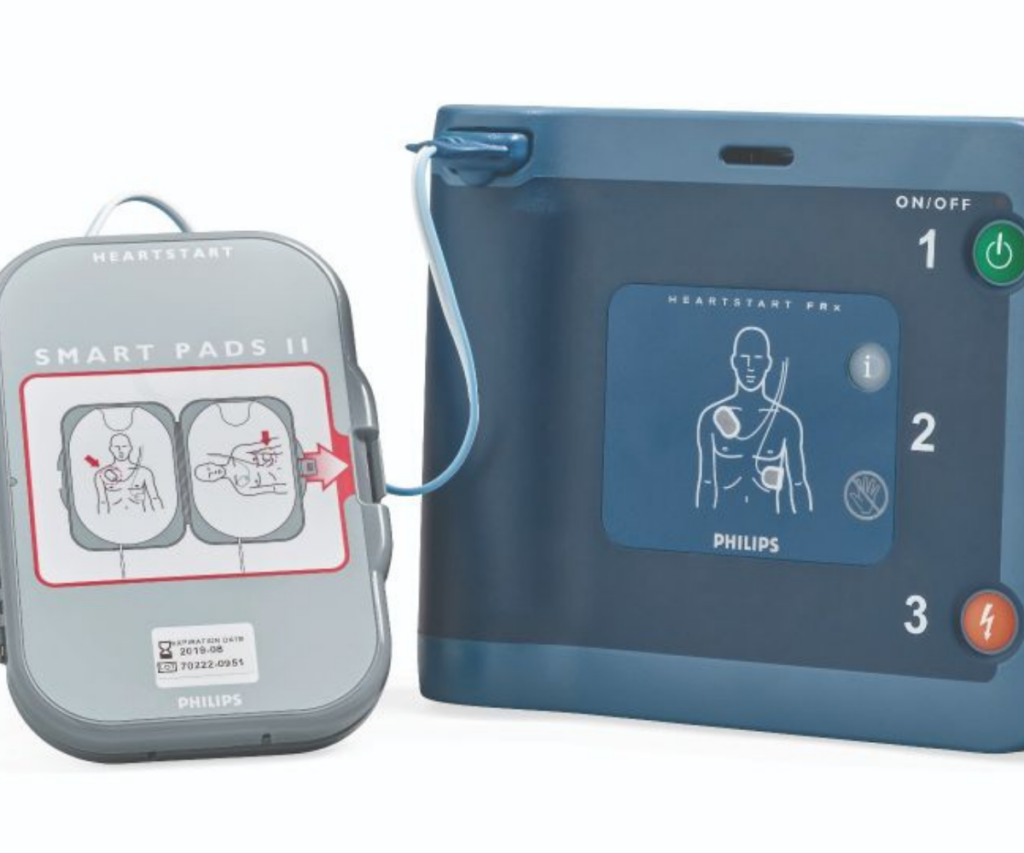
Not sure why your Philips HeartStart FRx is beeping, showing a red X, or not ready? Life Support Systems will review your device status, pads, and batteries, then recommend the fastest path back to “ready.”
Life Support Systems is built for long-term readiness. You get one partner for inspections, replacements, tracking, and support — with nationwide coverage and a program approach that keeps your AED from becoming “installed and forgotten.”
Everything you need to stay compliant and prepared.
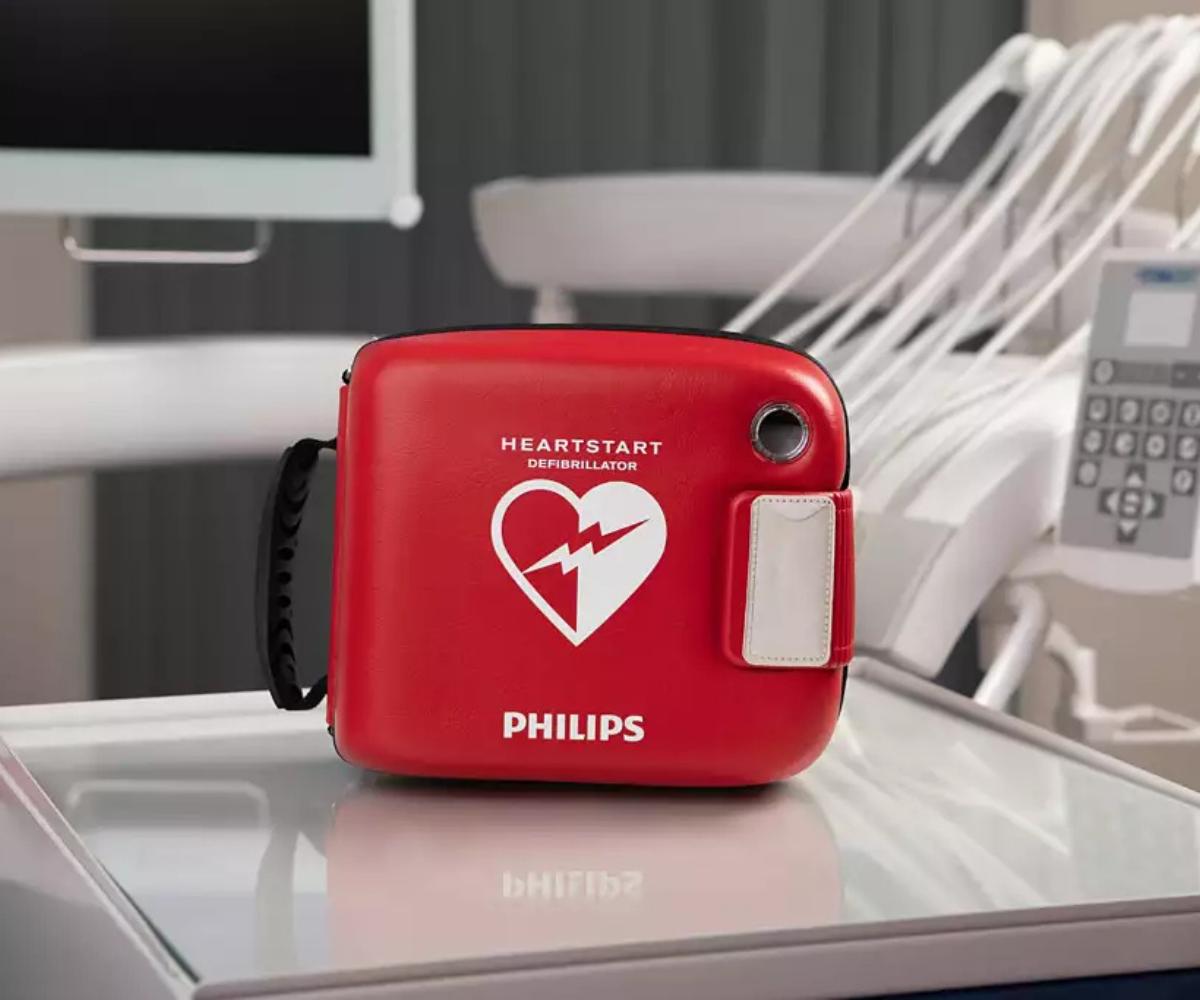
Your AED program extends far beyond the initial setup. Life Support Systems provides end-to-end readiness support, including:
placement strategy
Staff Training & Certification
For pads and batteries
Maintain compliance
Documentation
Incident reports
This integrated approach helps keep your Philips HeartStart FRx AED ready — and helps your team feel confident to act.
AED readiness expectations can vary by location, industry, and facility type. Most organizations are expected to maintain a clear, consistent approach to AED readiness — not just owning a device, but keeping it maintained, documented, and ready to use.
Common readiness expectations include:
Life Support Systems helps you build a practical AED readiness program that stands up to real-world scrutiny and works when it matters most.
Support for site-by-site requirements and consistency across locations
Routine checks, tracking, and documented readiness practices
Reduced exposure through maintained devices, clear records, and responder confidence
Most organizations look for the FRx readiness indicator behavior as the first signal. If the Ready light is not behaving as expected, or you hear chirping or see other indicators, a readiness review is the fastest way to confirm status.
A change in the Ready light behavior can indicate the AED is running a check, has been opened, or needs attention. We verify the exact cause and confirm the device returns to a verified “ready” state.
Chirping and a flashing i-button are common signs the AED needs attention. This can relate to battery readiness, pad connection, or another readiness condition. We identify the cause and restore readiness.
In most cases, the FRx performs self-checks automatically. If your indicators show something is off, a readiness review is the safest way to confirm readiness without guesswork.
Battery replacement should always be followed by a readiness verification step to confirm the AED returns to “ready.” Life Support Systems handles this verification as part of service.
Pads must be replaced after use and before expiration. We track expiration timing and confirm pads are connected correctly during maintenance checks.
Many organizations choose to keep spares so they can return to ready status quickly after use or when a replacement is needed. We can recommend what makes sense based on your environment and number of devices.
Whether you manage one Philips HeartStart FRx AED or a multi-location program, Life Support Systems helps you keep devices rescue-ready with inspections, expiration tracking, and pad and battery replacement support — so you are not guessing when it matters.
 Call Us
 Email Us