If your Automated External Defibrillators (AED) is showing an expired pad alert, a red X, or your pads were used during an emergency, your device may not be rescue-ready. AED replacement pads expire and must be swapped on schedule, and pads should be replaced after use.
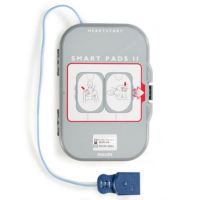
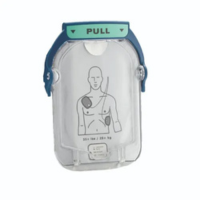
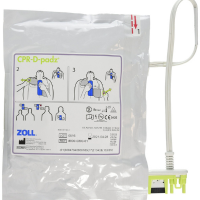
Life Support Systems helps you identify the correct AED pads replacement for your exact model (Philips, ZOLL, HeartSine, Cardiac Science, and more), replace them properly, and confirm the AED returns to a verified “ready” status.
AEDs are designed to self-test, but even a working device can’t deliver therapy if the electrode pads are expired, damaged, or missing. An “expired pads” alert or a “not ready” indicator should be treated as an urgent readiness issue—especially if your pads have been used during an emergency and need immediate replacement.
Life Support Systems helps organizations replace the correct AED replacement pads on time, avoid missed expiration windows, and confirm the AED returns to a verified “ready” status after the new pads are installed.
Pad replacement isn’t just a parts swap—it’s a readiness step. Life Support Systems verifies your AED model, matches the correct replacement pads, and confirms your device returns to a rescue-ready status with clear, trackable replacement timing.
Pads Expired or Expiring Soon
AED pads have a shelf life and will trigger an alert when replacement is due.
Replace pads before expiration to avoid a “not ready” status.
AED Beeping / Chirping
Many AEDs alert when pads are expired, disconnected, or not detected.
We’ll confirm the cause and provide the correct replacement pads.
Red X / AED Not Ready
An expired pad set, poor connection, or incomplete install can trigger a not-ready indicator.
We’ll replace pads correctly and confirm readiness.
After an AED Use Event
Pads used in an emergency must be replaced.
We can help restore readiness quickly so the AED is ready for the next response.
Adult vs Pediatric Pad Confusion
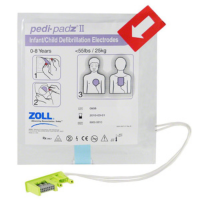
Some programs need adult pads installed with pediatric pads staged as backup.
We’ll help set up the correct configuration for your environment.
Confirm your AED model and we’ll match the correct pad set (adult or pediatric) for your exact device.
Defibrillator pad replacement should be clear and documented. Our process is designed to reduce downtime and remove guesswork.
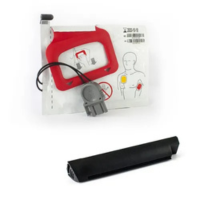
AED pad replacement cost depends on the AED brand/model and whether you need adult pads, pediatric pads, or a combined pad/battery cartridge system. What matters most is not waiting until an alert becomes an emergency—pads should be replaced before expiration and immediately after use.
Pricing varies by AED model. Request pricing and we’ll confirm compatibility and provide a clear quote by phone or email.
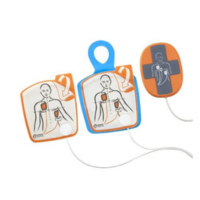
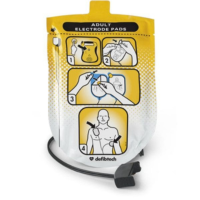
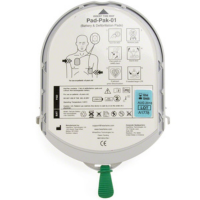
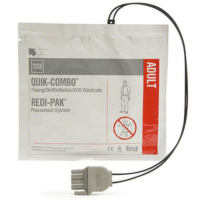
Not all AED pads are the same. Some models use standard electrode pad sets, while others use cartridges or combined systems. The right choice depends on your device, your responders, and how your AED program is managed.
Adult Pads vs Pediatric Pads
Adult pads are standard for most public-access locations. Pediatric pads are recommended where children may require response, depending on your program and placement strategy.
Device-Specific Fit Matters
AED pads are model-specific and not universally interchangeable. We help you avoid ordering the wrong pads and ensure your AED stays in a verified “ready” status.
We’ll help you compare pads based on:
When to replace AED pads: expired or expiring pad dates, “pads” alerts/beeping, a red X or “not ready” status, damaged/opened pad packaging, poor adhesion/dried gel, or immediately after the pads are used in an emergency.
Support for site-by-site pad needs and consistency across locations.
Tracking and documented AED pad readiness (expiration and after-use replacement).
Rescue-ready devices, clearer records, and faster response when seconds matter.
A strong AED program depends on reliability. If pads are expired, missing, or installed incorrectly, your AED may not be rescue-ready when it matters most. Life Support Systems helps workplaces, schools, and public-access sites keep pad replacement on schedule and readiness verified.
AED Pad Readiness Best Practices
Check pad expiration dates during routine readiness checks
Keep a spare set of pads on site (especially in higher-risk locations)
Replace pads immediately after an AED use event
Confirm the AED returns to “ready” after pad replacement
Use a maintenance plan for tracking across multiple locations (if needed)
Yes. AED electrode pads have an expiration date because the adhesive and gel can dry out over time. Even if the device is never used, expired pads can fail to deliver effective therapy, so replacement should happen before the expiration window.
Most pads are replaced every 2–4 years, depending on the brand and model. The best rule is to follow the expiration date on the pad package and schedule replacement before it expires—especially for high-risk locations that want to avoid downtime.
Most public-access AEDs are set up with adult pads installed and pediatric pads as a backup when children may be present. The right setup depends on your environment (schools, gyms, offices, childcare, etc.) and your AED model—some brands use pediatric-specific pads or combined systems. We can recommend the best configuration for your location and program.
Pad alerts are common—but they shouldn’t catch you off guard. Life Support Systems offers AED service and maintenance plans that track replacement timing, reduce downtime, and help keep every AED rescue-ready. If you manage multiple AEDs or multiple locations, a maintenance plan reduces risk and administrative burden.
Whether your AED is alerting you to expired pads, you’ve had a recent use event, or you’re planning scheduled replacement, Life Support Systems will match the correct AED replacement pads to your device and confirm readiness after replacement. No online checkout—just fast answers and a clear path back to “ready” status.


 Call Us
 Email Us