If your organization still has a Physio-Control LIFEPAK 500, it should be treated as a replacement priority. When a manufacturer ends support for a legacy AED, the long-term risk is simple: you may not be able to restore or maintain readiness with the same confidence as a current, supported device.
Life Support Systems helps you confirm what’s deployed, identify readiness exposure, and transition to a supported AED program that stays maintainable over time.
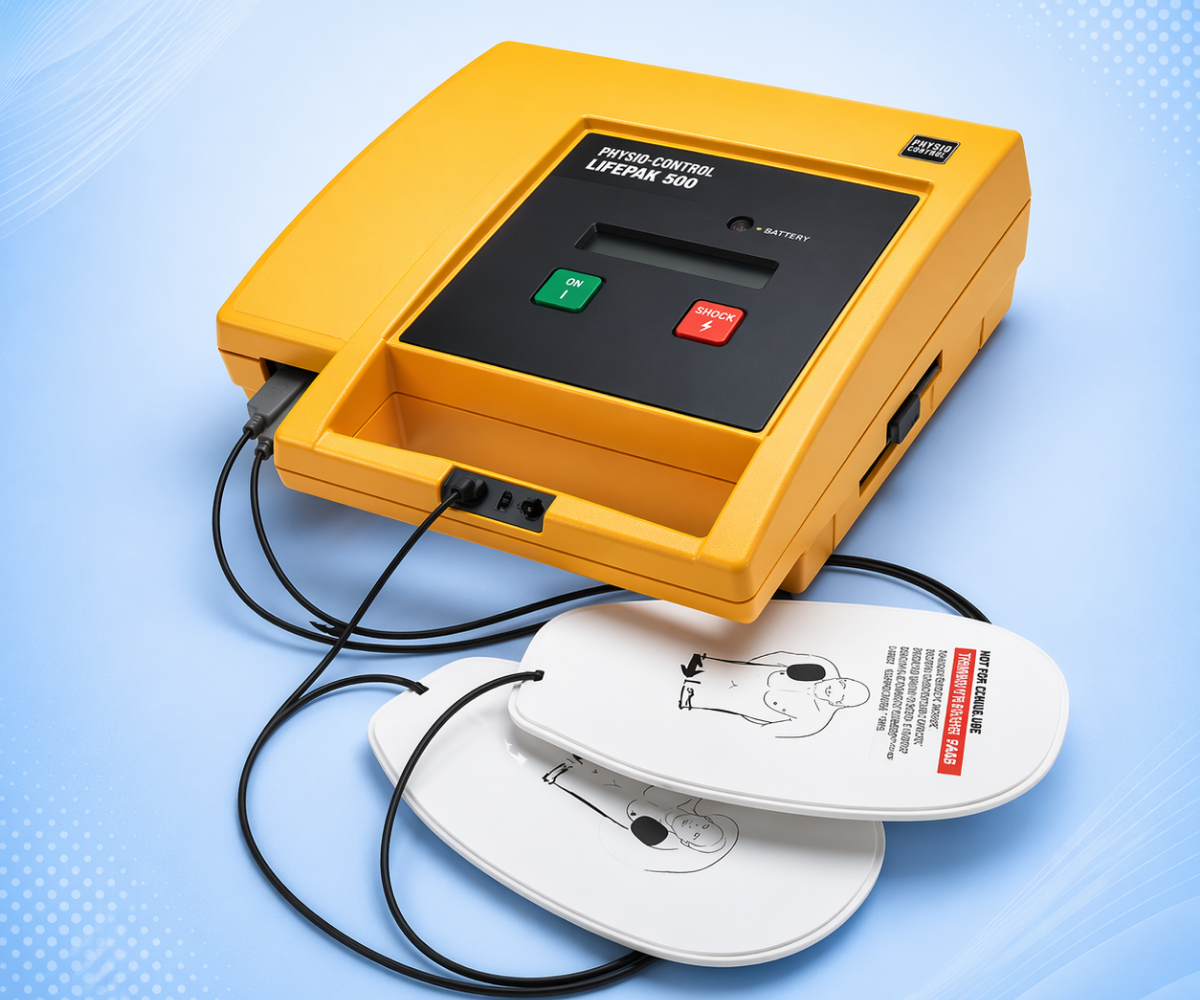
A discontinued AED often looks fine until a real moment forces a decision—pads expire, a battery cycle comes due, the device throws an alert, or the AED is used and needs to be returned to a ready state quickly.
With legacy devices like the LIFEPAK 500, the challenge isn’t just the unit. It’s the uncertainty around support and parts. If the original manufacturer is no longer servicing the model or producing key components, readiness becomes harder to defend and harder to keep consistent across sites.
Life Support Systems supports organizations with LIFEPAK 500 upgrade reviews, replacement planning, multi-location standardization, and documentation support—built for predictable readiness, not last-minute scrambling.
A discontinued LIFEPAK 500 shifts your program from “maintenance” to “transition planning.” Even if the device powers on, long-term readiness is tied to parts availability and a clear path to restore the device after use.
Most organizations feel the impact in three places:
If you’re unsure whether your LIFEPAK 500 fleet is still defensible, we can review your current devices and outline the cleanest upgrade path.
These issues rarely arrive with a big warning. They show up at the exact moment you need certainty—during a readiness check, at replacement time, or after a real emergency. This section helps you identify the trigger and move to a supported solution quickly.
When service support and OEM parts pathways end, your program becomes reactive. You may still have an AED on the wall, but keeping it reliably ready becomes harder to manage and harder to standardize across locations.
Once a device is out of support, parts availability often shifts to limited inventory and third-party channels. That can create delays, unpredictable pricing, and replacement gaps—especially if multiple sites rely on the same legacy model.
Messages such as “connect electrodes,” readiness beeps, or unclear status indicators create hesitation for responders and uncertainty for safety teams. Even if the device can be checked, the bigger issue is whether it can be maintained with confidence long term.
After a real event, your program should return to ready fast. If replacing required components becomes uncertain, your downtime after use increases and coverage becomes inconsistent.
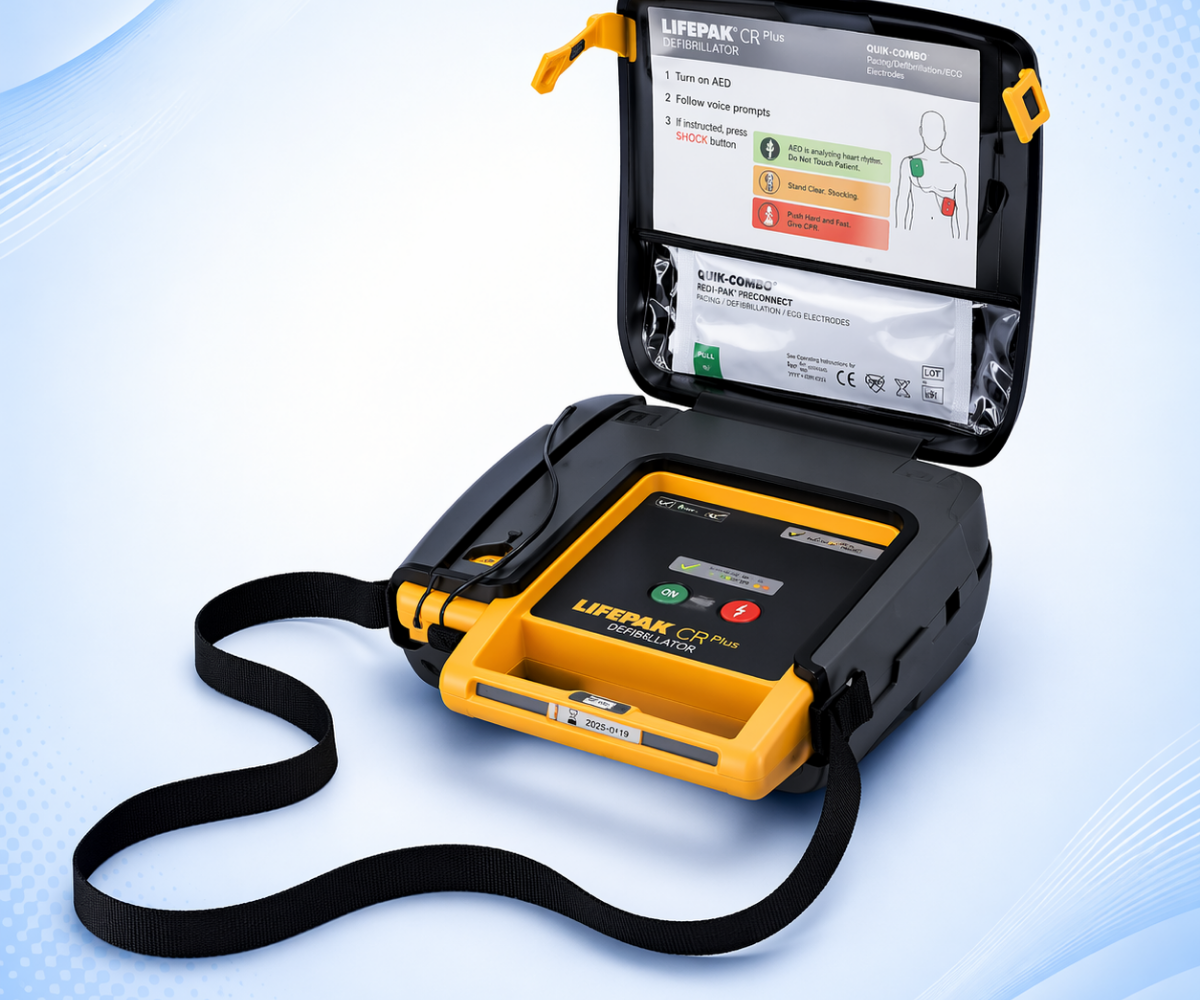
Replacing a discontinued LIFEPAK 500 isn’t just a device swap. It’s a readiness upgrade—moving from uncertainty to a program that can be serviced, stocked, and restored after use without confusion.
We help you select replacement AEDs based on:
This isn’t guesswork. It’s a practical plan to move from discontinued risk to supported readiness.
A LIFEPAK 500 upgrade review gives you a clear, defensible plan—what to replace first, what to standardize, and how to transition without creating coverage gaps.
A typical review includes:
Some organizations need rapid replacement. Others need a phased plan aligned to purchasing cycles. Either way, the goal is the same: keep coverage consistent while moving to supported devices.
We commonly plan LIFEPAK 500 replacements for:
With discontinued AEDs, cost is usually driven by one factor: how quickly you remove uncertainty. Waiting often increases risk because teams end up in reactive mode when parts are due or when an incident forces immediate action.
Organizations budget more confidently once there’s a clear plan for replacement timing, site priorities, and standardization.
Pricing is usually influenced by:
Pricing depends on number of devices, locations, and service level. Request an upgrade quote.
Multi-site programs feel the pain of discontinued devices first. One location upgrades, another waits, and the program becomes mixed and inconsistent. Standardization solves that by creating predictable replacements, easier training consistency, and cleaner documentation.
We support multi-site teams with:
Discontinued devices increase exposure when readiness can’t be maintained consistently or restored quickly after use. A supported AED fleet simplifies program oversight and strengthens internal defensibility.
We help teams maintain a clean, repeatable system with:
Support for site-by-site requirements and consistent coverage across locations.
Routine checks, replacement tracking, and documentation practices that reduce confusion.
Fewer “not ready” surprises and fewer post-incident gaps—because your AEDs are supportable.
LIFEPAK 500 units are widely treated as legacy devices with ended support. If your program relies on this model, the safest long-term move is a planned upgrade to supported AEDs.
Powering on is not the same as being maintainable long term. The decision should be based on support status, parts confidence, and whether you can restore readiness after use without delays.
Connection prompts and readiness alerts can signal electrode, accessory, or device-level issues. Even when troubleshooting is possible, repeated alerts are often a strong indicator that replacement is the cleaner risk-reduction path.
Yes. Many organizations phase upgrades based on site risk, foot traffic, and replacement timing. We can help you prioritize the most exposed locations first.
The best replacement depends on your environment, coverage needs, and preference for standardization across sites. We recommend supported options based on how your team actually operates.
Whether you manage one LIFEPAK 500 or a multi-location AED program, Life Support Systems helps you move off discontinued devices and into a supported, maintainable readiness plan—so you’re not guessing when it matters most.


 Call Us
 Email Us