When an AED is discontinued, it doesn’t always mean you must replace it immediately. But it does change the risk profile—because pads, batteries, and manufacturer support often become harder to source or impossible to verify.
Life Support Systems helps organizations evaluate discontinued AEDs, confirm whether parts are still dependable, and build a clear plan to stay rescue-ready—whether that means maintaining the device, upgrading, or standardizing across multiple locations.
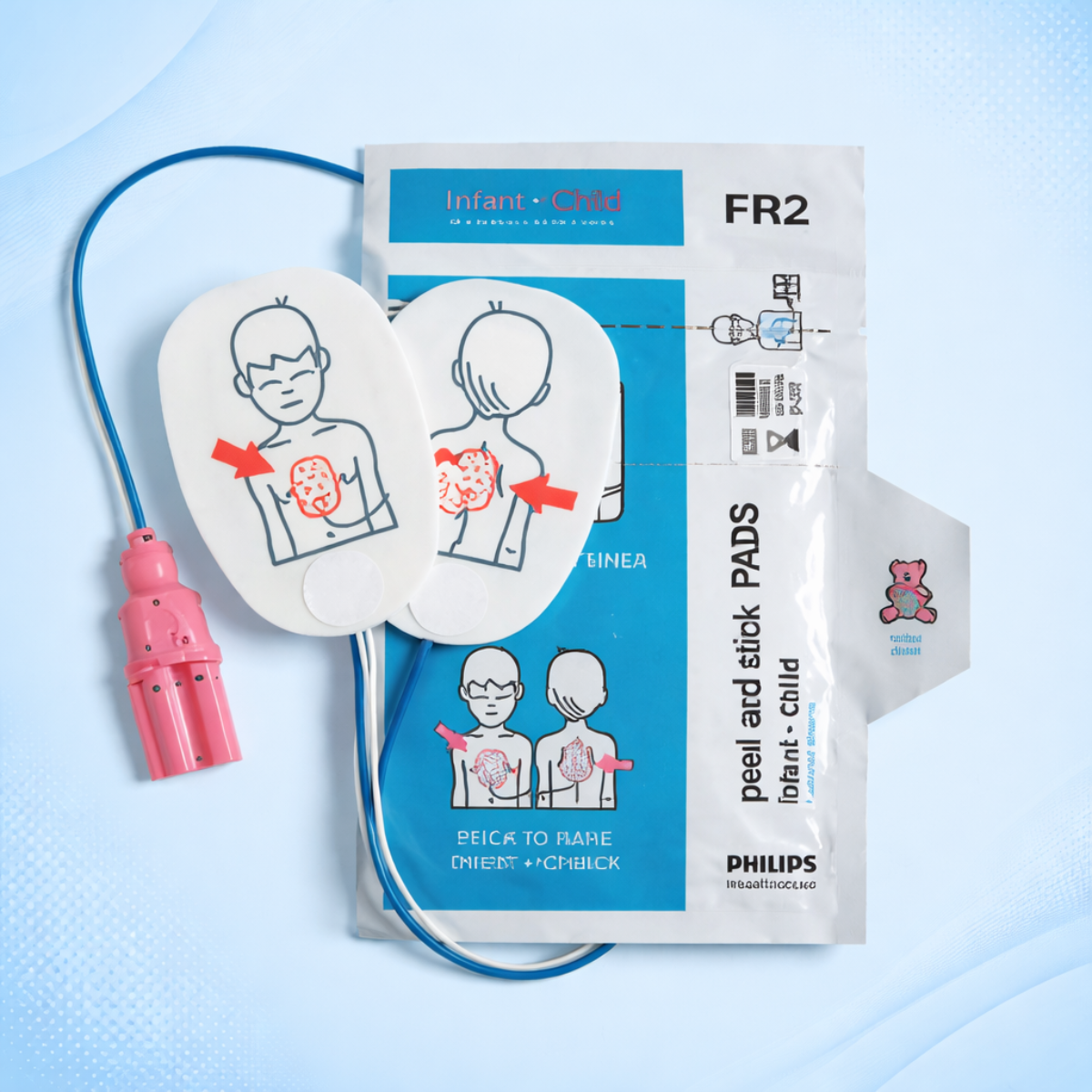
Most organizations don’t run into problems the day a device is discontinued. The problem shows up later:
Pads expire, batteries reach replacement time, or a device is used during an incident—and suddenly your team can’t restore readiness quickly. In many cases, the AED becomes a parts trap: you still have the device, but you can’t keep it reliably “ready.”
Our job is to make the next step clear, practical, and defensible.
Life Support Systems supports organizations with discontinued AED reviews, parts availability verification, upgrade planning, and multi-site standardization—built for long-term readiness, not one-time fixes.
If any of these devices are in your program, your next pad/battery cycle is where problems usually begin:
If your model isn’t listed, we can still review it. Many programs contain mixed fleets and older “legacy” units.
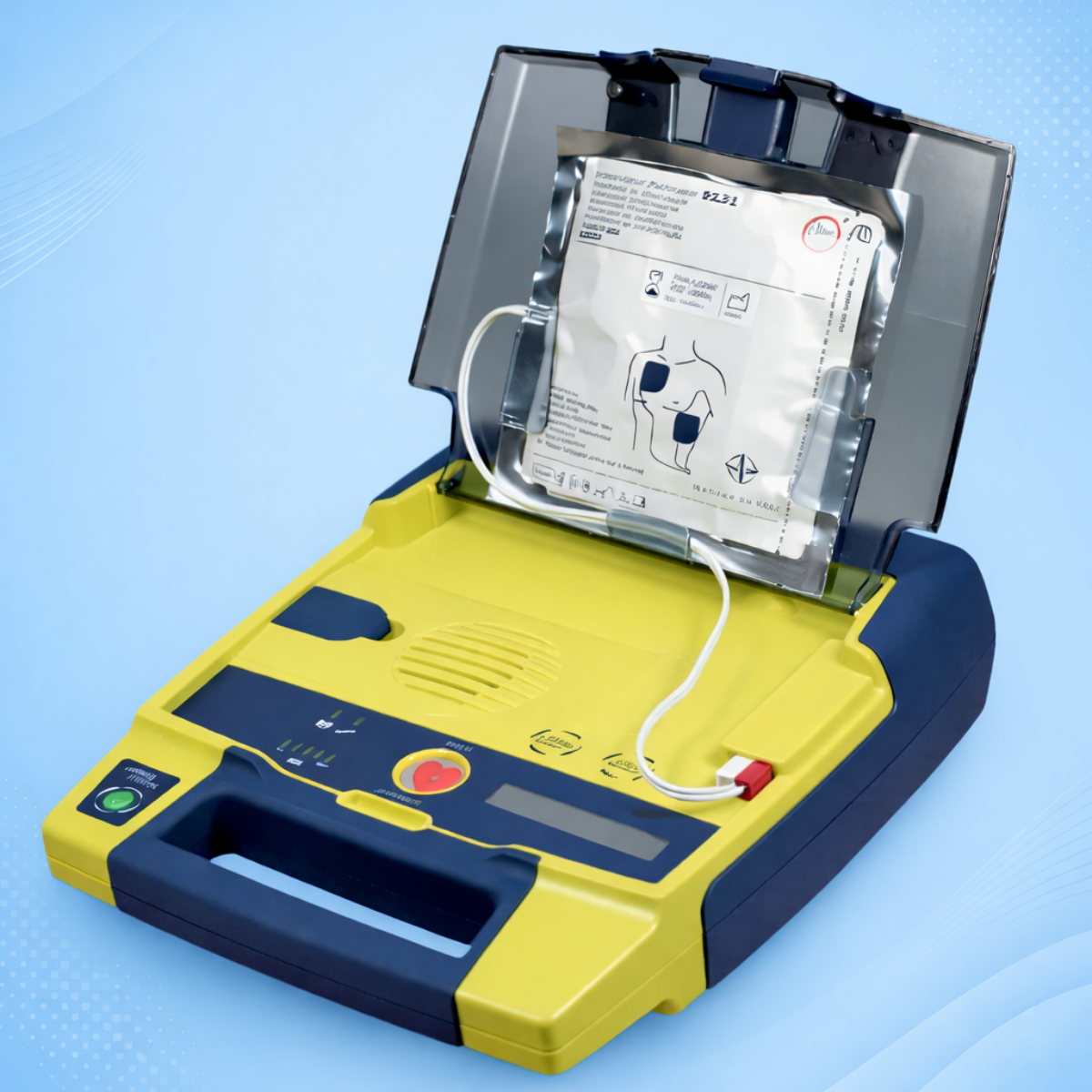
Discontinued AED issues usually don’t show up all at once. They show up at the exact moment you need certainty—when a replacement cycle hits, a device throws an alert, or an AED is used and you need to restore readiness fast.
When replacement parts become scarce, costs rise and timelines become uncertain. We verify what’s actually available, what’s dependable, and what risks you’re taking if you wait.
A discontinued model can be harder to troubleshoot because support channels change. We help you determine whether the issue is fixable—or whether it’s a sign to upgrade.
The most important moment is after a real event. If you can’t replace pads, batteries, or accessories confidently, your readiness recovery becomes slow and unclear.
Many organizations inherit devices over time and don’t have clean documentation. We help confirm what you have, what it needs, and what your realistic replacement window looks like.
A discontinued AED review is designed to give you clarity and a next step you can act on.
A typical review includes:
This isn’t a generic recommendation. It’s a readiness plan based on what you actually have.
Some organizations need a fast replacement plan. Others need an upgrade roadmap that works within budgeting and purchasing cycles. We can help you plan around:
A discontinued AED can look “fine” on the wall—but the real cost shows up when pads expire, batteries need replacement, or the device is used and you can’t restore it to ready status quickly. With discontinued models, cost isn’t just about parts. It’s about certainty: can you keep the device rescue-ready without last-minute scrambling?
Most organizations budget more confidently once they know whether their discontinued AED is still maintainable—or whether it’s already in a parts trap.
Discontinued AED pricing and planning usually depends on:
Model and current readiness status (ready, alerting, not ready)
Parts availability (pads/batteries in stock vs. scarce, backordered, or discontinued)
Replacement cycle timing (how soon pads/batteries expire)
Number of devices and locations (single unit vs. multi-site fleet)
Post-use requirements (ability to restore readiness after an incident)
Standardization goals (upgrading one unit vs. aligning an entire program)
Pricing depends on the number of devices, locations, and service level. Request a discontinued AED quote or readiness review.
Discontinued AEDs create the most friction when you manage multiple sites. One location is covered, another is vulnerable, and nobody is sure what “standard” looks like.
We support multi-site teams with:
Discontinued AEDs can create compliance risk when parts can’t be replaced or readiness isn’t consistently documented.
Our approach supports practical program expectations such as:
If you’re unsure what your program needs to show internally, we can help you keep it clean and consistent.
Support for site-by-site requirements and consistency across locations
Routine checks, tracking, and documented readiness practices
Reduced exposure through maintained devices, clear records, and responder confidence
Sometimes, yes—if the AED can be kept in a dependable, ready state. The real issue is whether pads, batteries, and post-use recovery can be maintained reliably.
“Available online” isn’t the same as dependable. We review your model and replacement cycle and help confirm what’s realistic and repeatable.
We help determine whether the device can be restored to ready status or whether the alert is a sign that replacement is the safer, faster path.
Many organizations phase upgrades based on site risk, device age, and replacement cycles. We can help create a plan that matches your operations and budget.
We can guide next steps such as decommissioning, replacement documentation, and readiness transition so your program stays complete during the changeover.
Whether you manage one AED or a multi-location program, Life Support Systems helps you reduce readiness gaps caused by discontinued devices—so you’re not guessing when it matters most.


 Call Us
 Email Us